
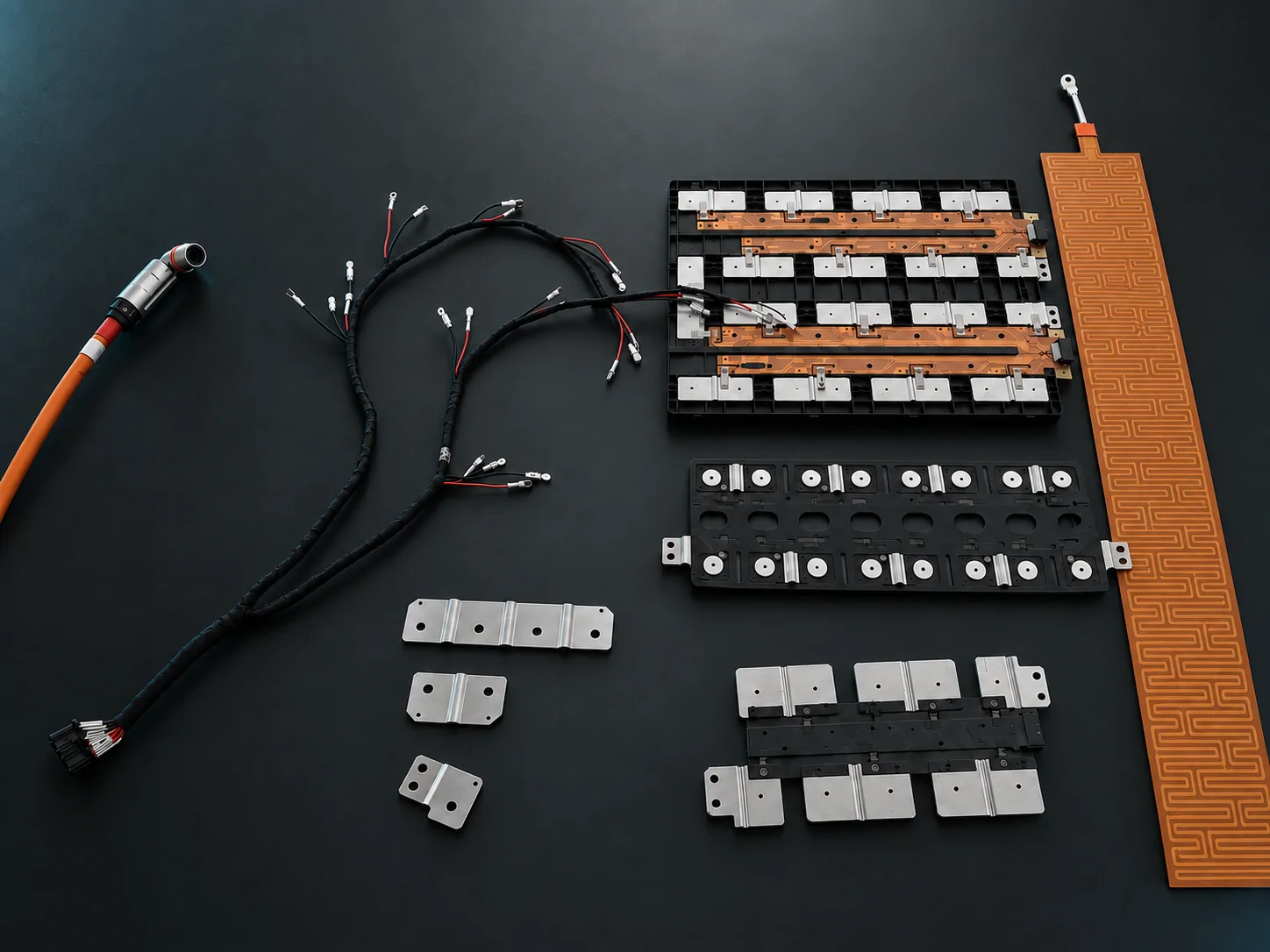
Connect equipment requirements to the battery design.
A custom battery project becomes clearer when the team describes how the equipment works before choosing a cell. The first review should connect electrical demand, physical integration, environment, charging and production intent.
How do you define requirements for a custom battery pack?
Describe one complete equipment cycle: work, idle, peak events and charging. Record the usable voltage window, required operating time, installation space, mass limit and environment. Agree the acceptance criteria with the team before selecting the battery architecture, so a later prototype can be checked against the same requirement.
- Input: a load trace or power estimate, equipment cutoff, drawings and charge window.
- Decision: required usable energy, peak-current duration, reserve and physical interfaces.
- Output: a versioned battery requirement with open assumptions and measurable acceptance criteria.
How are cell chemistry, format and configuration selected?
Compare LFP and other lithium-ion options against the equipment duty, temperature range, charging, service life and available envelope. Series count must fit the equipment voltage window; parallel count must support both usable energy and current. Include interconnects, protection, enclosure and operating reserve when checking pack mass and size.
- Input: candidate cell data, representative measurements and the equipment requirement.
- Decision: chemistry, cell format, series/parallel configuration and thermal approach.
- Output: a proposed architecture and the measurements needed to resolve its remaining risks.
What must the pack, BMS and charger design cover?
Develop the current path, protection, sensing, cell retention and enclosure as one system. Define how the BMS reports state and faults to the equipment and how charging is enabled, limited and stopped. Connector ratings, service access and the response to simultaneous traction and auxiliary loads belong in the same review.
- Input: schematics, mechanical interfaces, communications and charger behavior.
- Decision: protection limits, temperature-sensor locations, mounting and fault response.
- Output: aligned electrical and mechanical definitions, an interface specification and a validation plan.
What should a battery prototype test prove?
Test the prototype under the agreed operating conditions and record the configuration used. Check usable energy to the equipment cutoff, voltage during peak loads, temperature, charging and interface behavior. A cell result supports cell selection; the assembled pack still needs its own verification because wiring, protection, mechanics and cooling affect the result.
- Input: a defined sample, test method, operating conditions and acceptance limits.
- Decision: whether the design meets the requirement or needs a recorded change and retest.
- Output: traceable results tied to the sample and design revision, with unresolved items identified.
What connects a pilot build to repeat production?
Release the bill of materials, drawings, software configuration, build instructions and inspection definition together. Use the pilot build to review assembly fit, fixtures, process settings and test access. Define incoming, assembly and final checks against the approved specification before releasing the repeat-build route.
- Input: approved prototype changes, pilot quantity, component list and acceptance requirements.
- Decision: assembly sequence, controlled process settings, inspection points and functional tests.
- Output: a released build package and pilot records that connect the design to the manufacturing process.
How are repeat builds and component changes controlled?
Keep the cell batch, component configuration, build revision and agreed test results connected to each production batch. Review substitutions and software or design changes before implementation, including any effect on interfaces and validation. Define service, shipment and applicable test-document requirements for the agreed battery configuration and destination.
- Input: order configuration, batch records, inspection results and proposed changes.
- Decision: whether a change needs approval, additional verification or an updated build definition.
- Output: retrievable batch evidence and a controlled configuration for future orders and service.
Turn equipment facts into battery engineering decisions.
Each input changes a practical part of the cell, pack, test or production route.
| Equipment input | What it shapes | Useful starting evidence |
|---|---|---|
| Normal load, peak load and duration | Cell power, parallel count, conductor path and thermal behavior | Measured load trace, equipment power estimate or current battery result |
| Voltage window and equipment cutoff | Series count, usable energy, BMS limits and charger interface | Electrical specification, schematic or existing battery label |
| Operating time and charging opportunity | Required energy, reserve, charger power and turnaround | One normal operating cycle and available charge window |
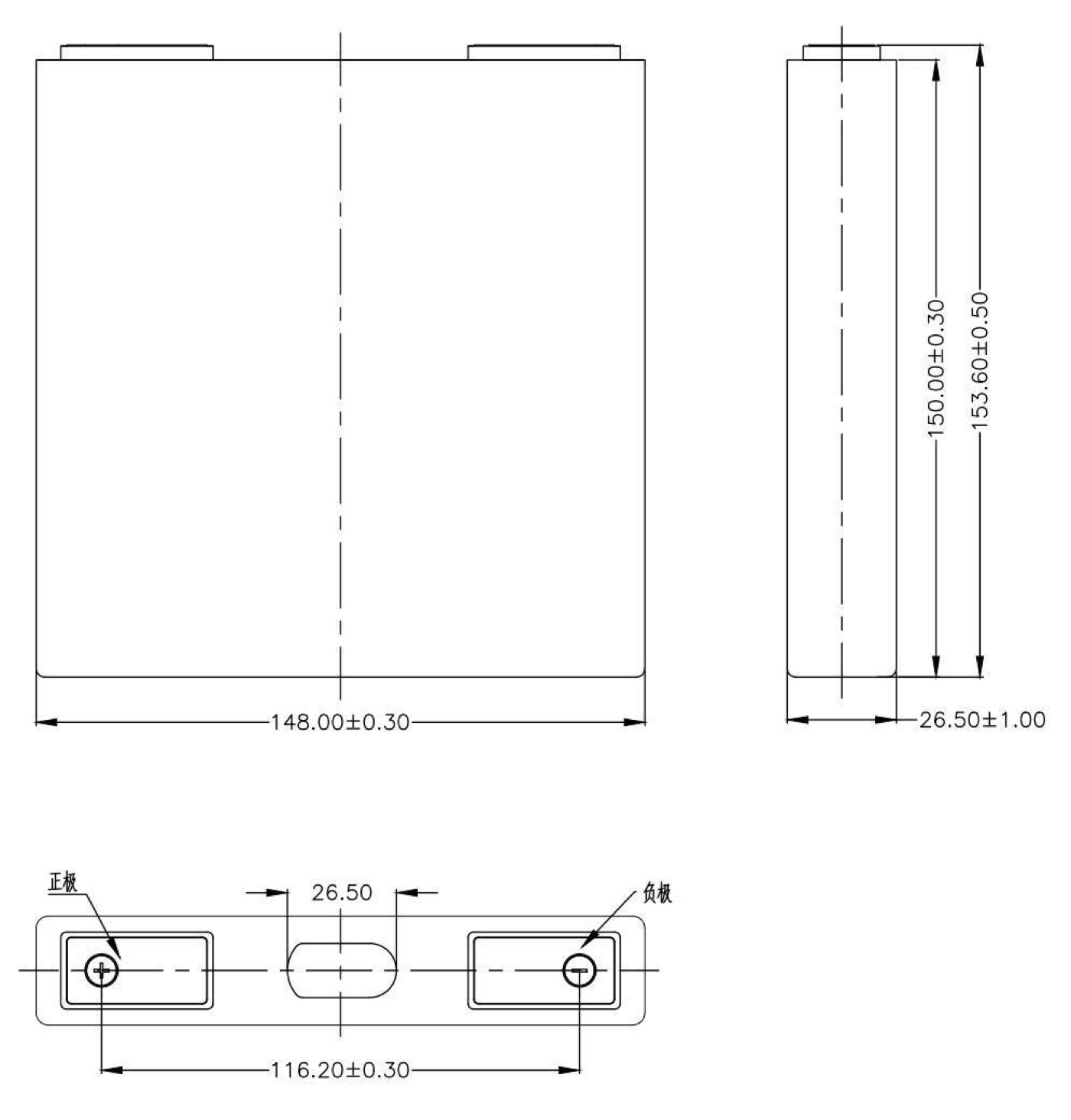
| Envelope, mass and interfaces | Cell format, enclosure, mounting, connector and service access | CAD envelope, drawing, photograph or physical sample |
| Temperature, ingress and vibration | Cell route, sealing, structure and validation conditions | Environmental requirement or known field conditions |
| Prototype and annual volume | Tooling, fixtures, inspection, test coverage and production handoff | Build schedule and expected order profile |
Connect every decision to something the team can inspect.
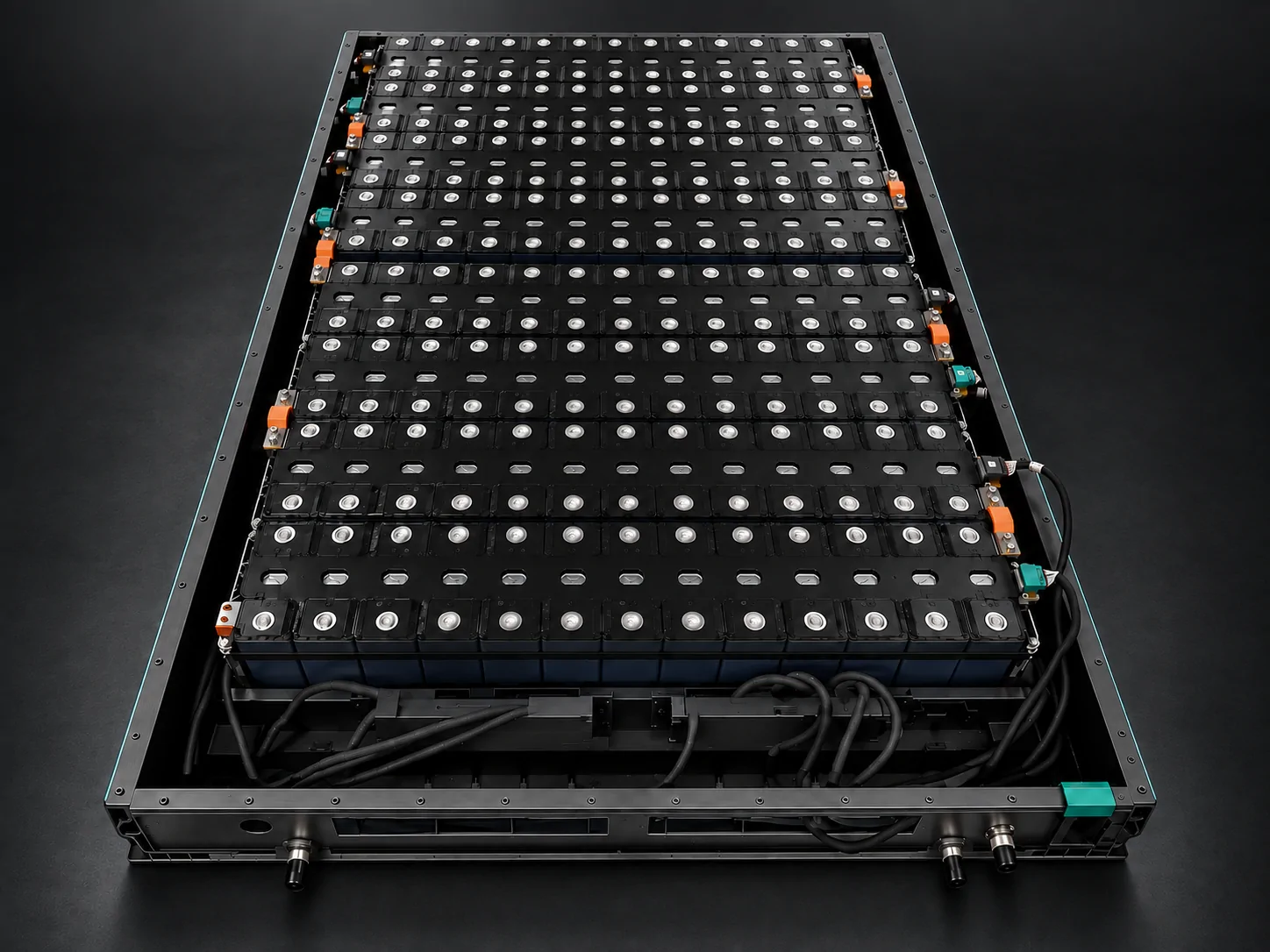
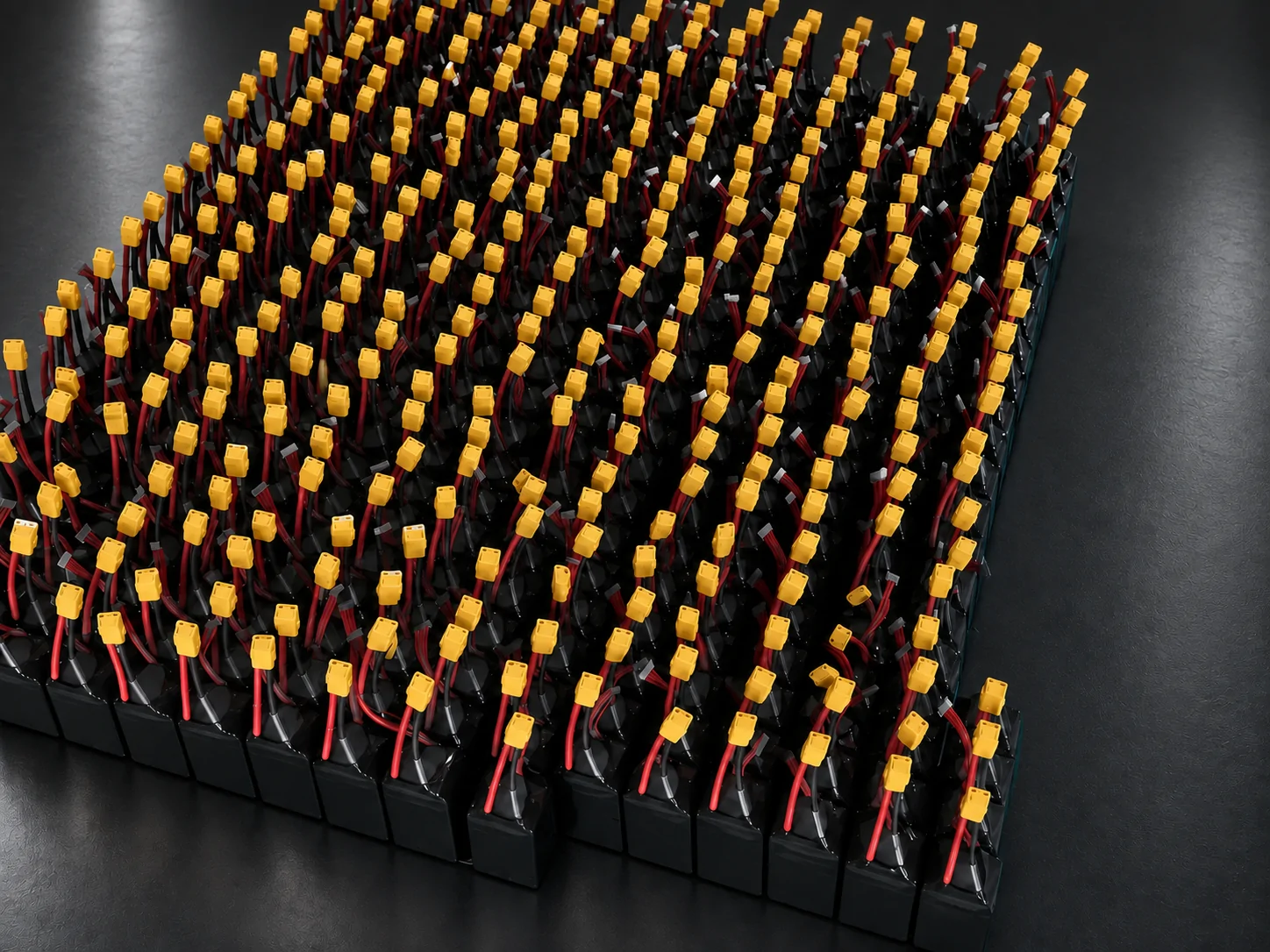
Drawings, electrical measurements and production references make the path from requirement to repeat build easier to review.
Choose the commercial entry from the open decision.
Use feasibility when the route still needs confirmation, complete-system development when the equipment needs an integrated battery, or production and lifecycle when a mature design needs repeat supply.