Cell and pack selection
Compare mission energy, peak propulsion current and mass. Review cell operating limits separately from assembled-pack current, wiring and protection limits.
 Request a Quote
Applications / Equipment duty
Custom Li-ion pouch battery packs for professional UAVs. Define mission energy, peak propulsion demand, mass, aircraft interfaces and field charging around the complete flight profile.
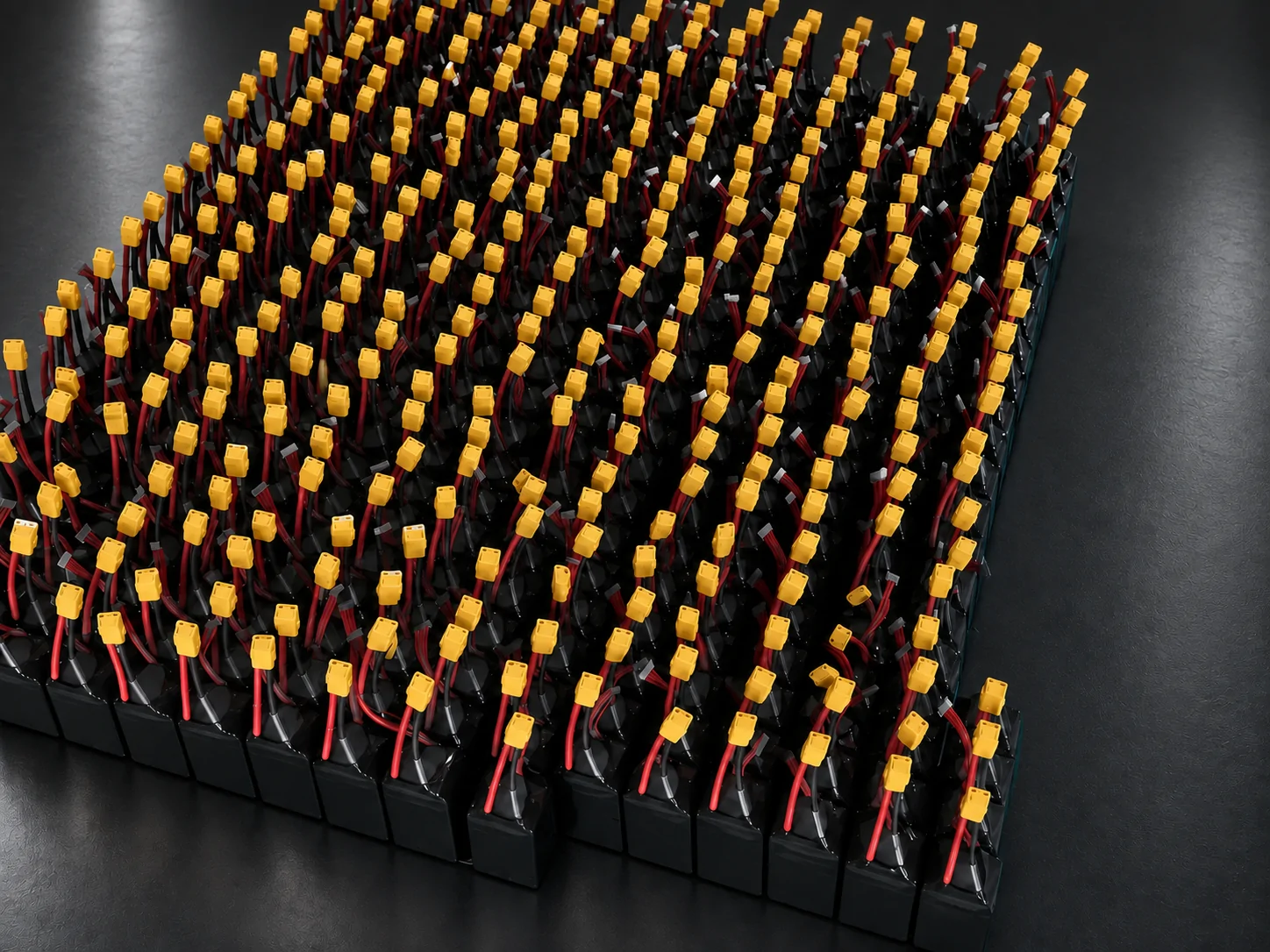
Endurance is developed from takeoff, climb, cruise, payload work, reserve and landing. The battery must also fit the aircraft, charging workflow and field operating model.
Develop a pack from documented cell and assembly references, with aircraft interfaces, charging limits and sample checks agreed for the mission.
Compare mission energy, peak propulsion current and mass. Review cell operating limits separately from assembled-pack current, wiring and protection limits.
Agree the protection approach, monitoring functions, balance connection and charger voltage. Define charge limits and the signals required by the aircraft.
Specify the envelope, mass, retention, connectors, cable routing and cooling. Include field swap access and the aircraft power and telemetry interfaces.
Agree battery-terminal checks for mission energy, loaded voltage, repeated peaks and temperature. Define the drawings, sample report and applicable transport documents in the delivery scope.
Compare UAV battery reference configurations. Mission energy, peak current, mass and charging requirements determine the final specification.
Documented pack references for mission energy, mass, retention and field charging review
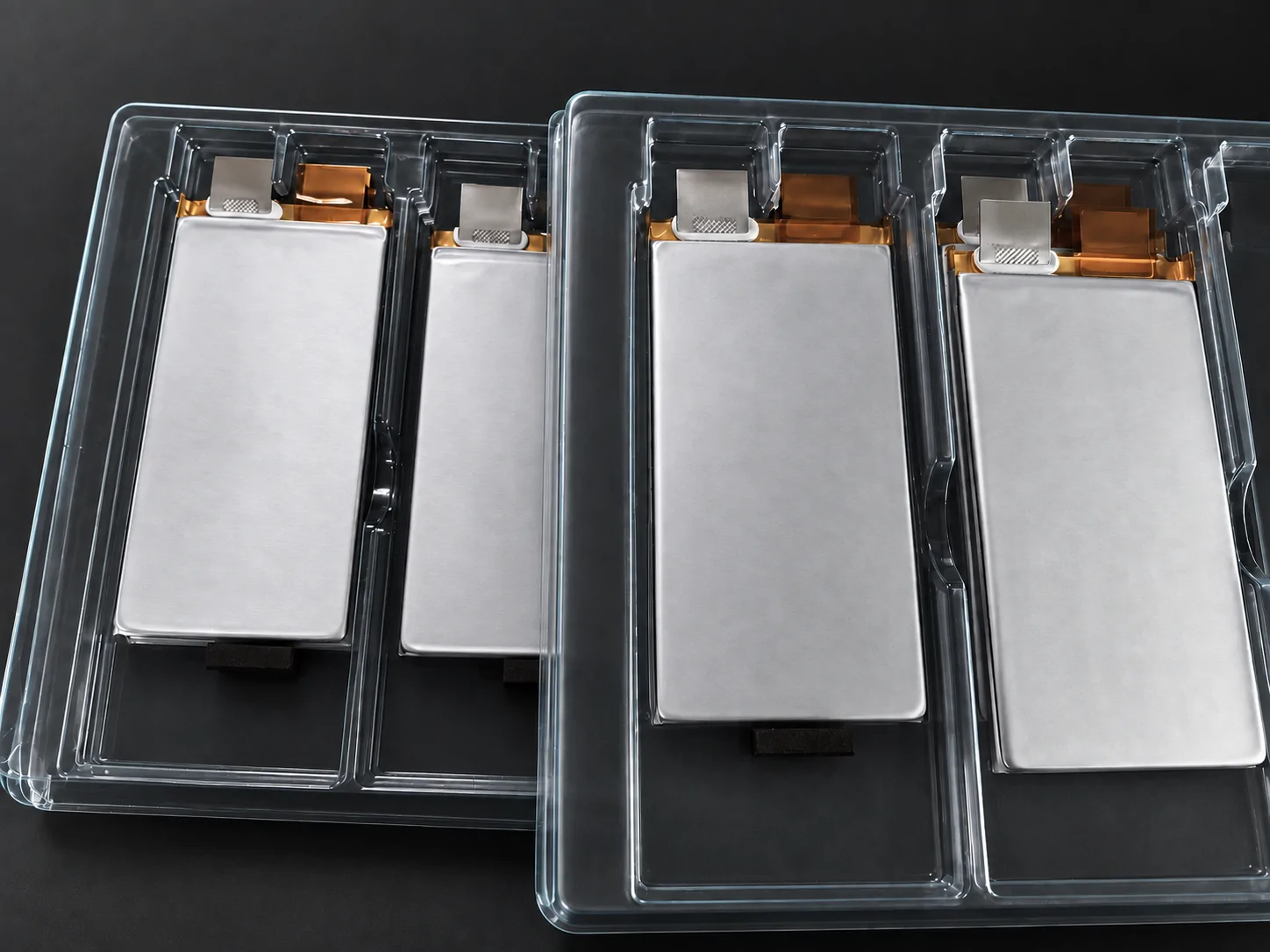
High-voltage pack references with cell charge limits, charger and protection reviewed together
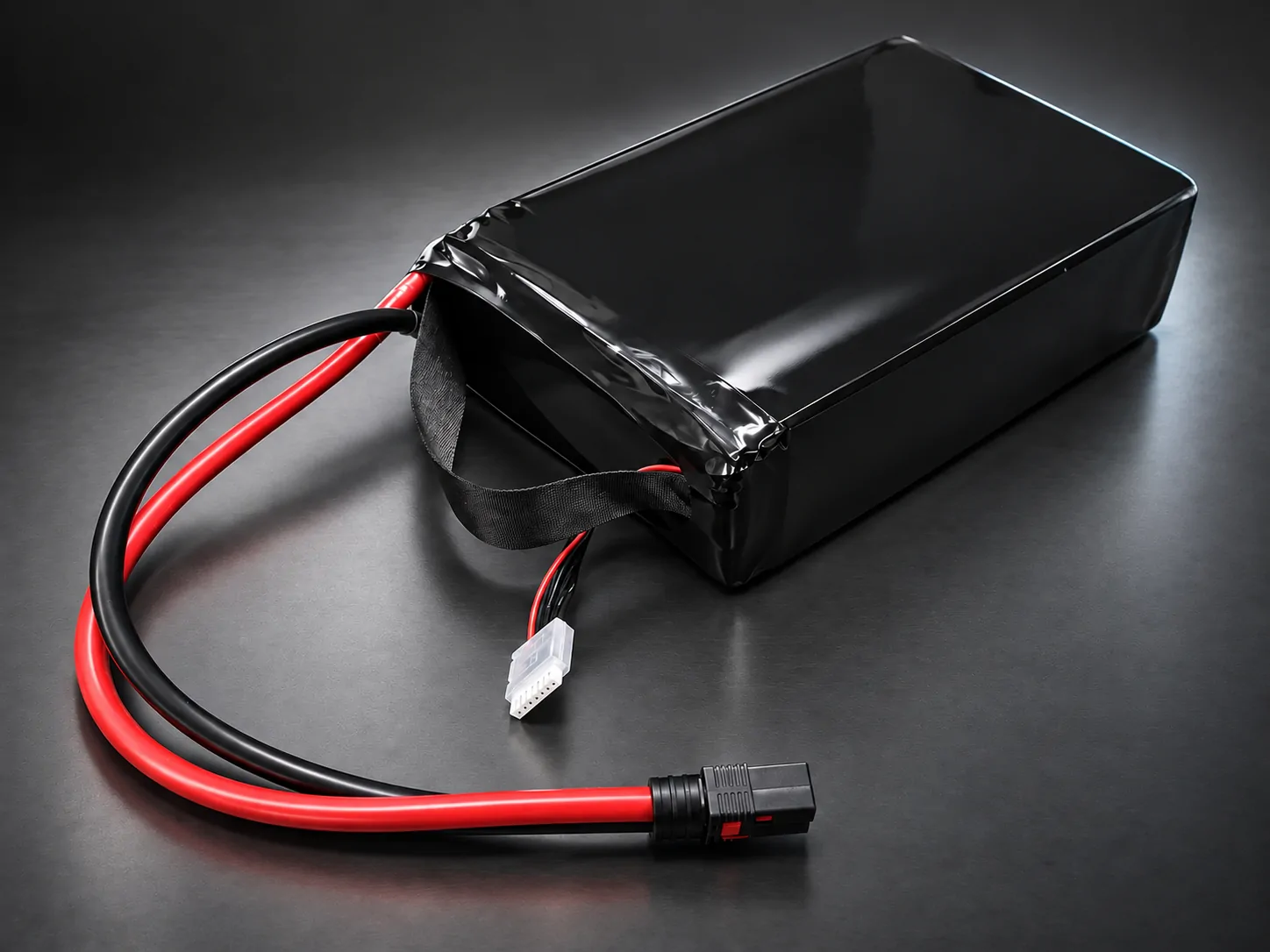
Compare mission energy, discharge requirements, aircraft mass and installation space
Compare voltage, capacity, discharge demand, charging method and mechanical interfaces against the equipment duty before sample validation.
How much usable energy does each flight phase require?
Map propulsion load, payload, reserve, usable depth of discharge and expected ambient conditions.
What happens during takeoff, climb and repeated maneuvering?
Review current demand, voltage response, temperature rise and the time between peak events.
Where do mass, retention, cooling and current paths meet?
Develop the pack envelope, center-of-gravity position, connector, fixation and swap path together.
How will packs move through charging, inspection and service?
Align chargers, pack rotation, storage, transport and condition checks with the operating team.
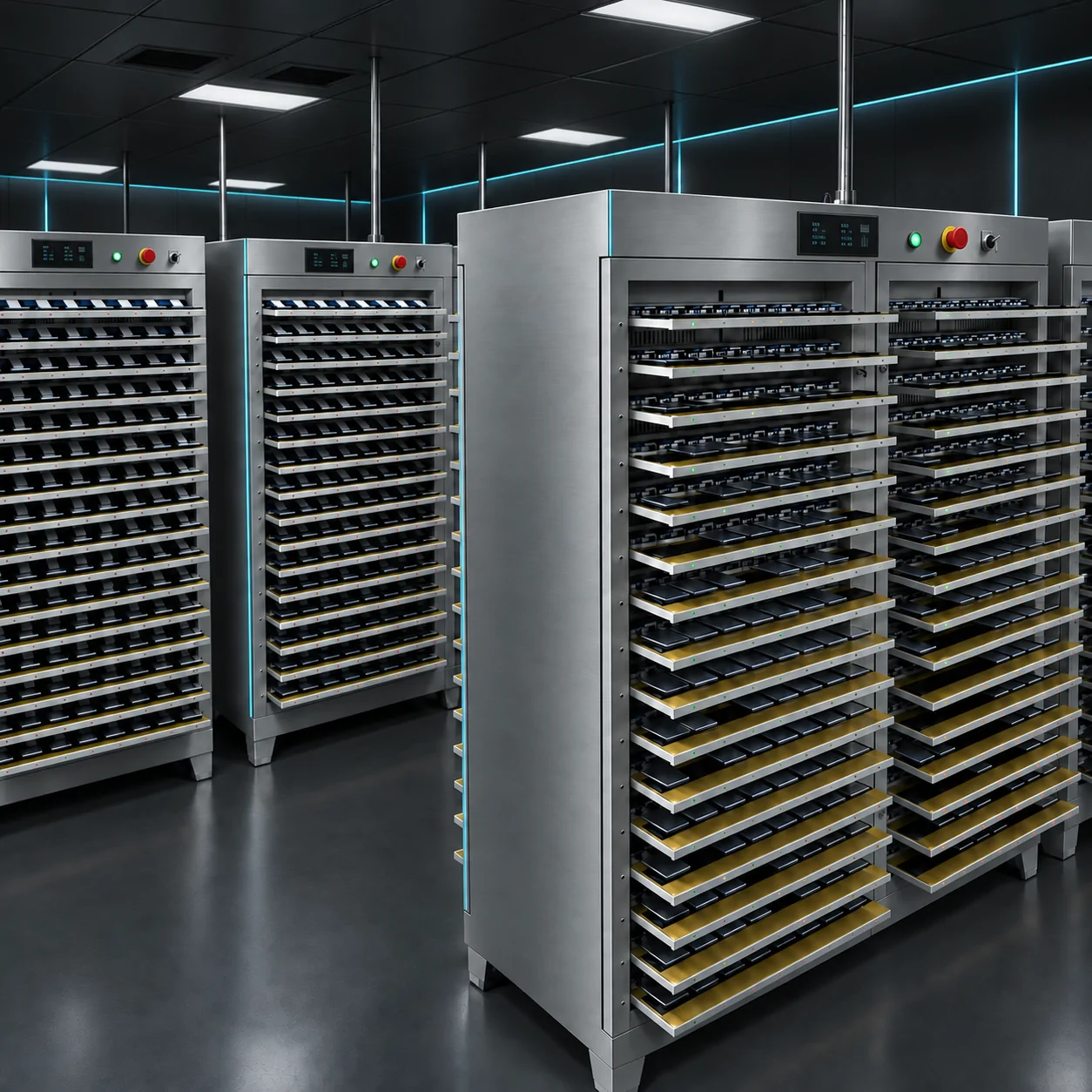
Compare cells, develop the aircraft battery pack, or manufacture an approved design to the agreed inspection and order requirements.
Use when cell format, delivered performance or the first aerial architecture still needs comparison.
Use when the aircraft needs an integrated pack, protection, charging, mechanics and system interfaces.
Use when the approved aerial battery must move into pilot builds, repeat orders and ongoing support.
Share flight-phase power or current, payload, reserve, voltage window, mass limit, available envelope and charging method. Include aircraft interfaces, prototype and production quantities, and sample acceptance requirements.
Prepare this application briefInclude your equipment, battery requirements and quantities. Add an existing drawing or configuration reference where available.