
Chemistry selection starts with the complete equipment system.
LFP is a lithium-ion cathode chemistry, alongside options such as NMC and NCA. Li-polymer describes an electrolyte/construction family; pouch, cylindrical and prismatic describe formats. Select the exact chemistry, construction and model against the equipment duty.
Balance energy, power and available space
Runtime and peak performance have to fit within the complete pack volume and mass, including structure, wiring, BMS and thermal provisions.
- Usable energy across the voltage window
- Continuous and peak power with duration
- Complete pack volume and mass
- Temperature rise and cooling path
Design charging and temperature together
Charger power, available charge time and temperature range influence the cell route, BMS settings and need for heating or cooling.
- Charge voltage, current and time
- Operating and storage temperature
- Low-temperature charge behavior
- Heating, cooling and BMS controls
Define life through the operating profile
Daily cycles, depth of discharge, temperature, state of charge and calendar time create a more useful life target than cycle count alone.
- Cycles per day and depth of discharge
- Time at high or low state of charge
- Storage and calendar-life expectation
- End-of-life energy and power
Compare the complete integration route
Cell format affects enclosure, BMS, charger, communications, mounting and the way the battery scales from prototype to production.
- Pouch, cylindrical and prismatic formats
- BMS, charger and communications
- Mechanical and thermal architecture
- Prototype and production volume
Compare the two routes at system level.
Use these design directions to compare specific cells and pack architectures against your operating profile.
| Equipment priority | Other lithium-ion cells, including NMC/NCA | LFP direction |
|---|---|---|
| Minimum mass and volume | Strong route for energy-dense compact packs | More pack volume may support repeat-cycle priorities |
| Repeated peak power | High-discharge pouch and other power-cell routes | Power-cell LFP with module-level current and thermal design |
| Long repeat-cycle duty | Depends on cell, temperature and operating window | Common route for industrial repeat-cycle systems |
| Low-temperature charging | Cell-specific limits and thermal strategy | Often needs defined charge limits or heating |
| Compact electronics | Pouch and cylindrical formats offer flexible packaging | Small cylindrical and pouch LFP cells also exist; compare the exact model and pack volume |
| Large industrial systems | Custom packs and selected prismatic routes | Scales from large-format cells to modules and traction systems |
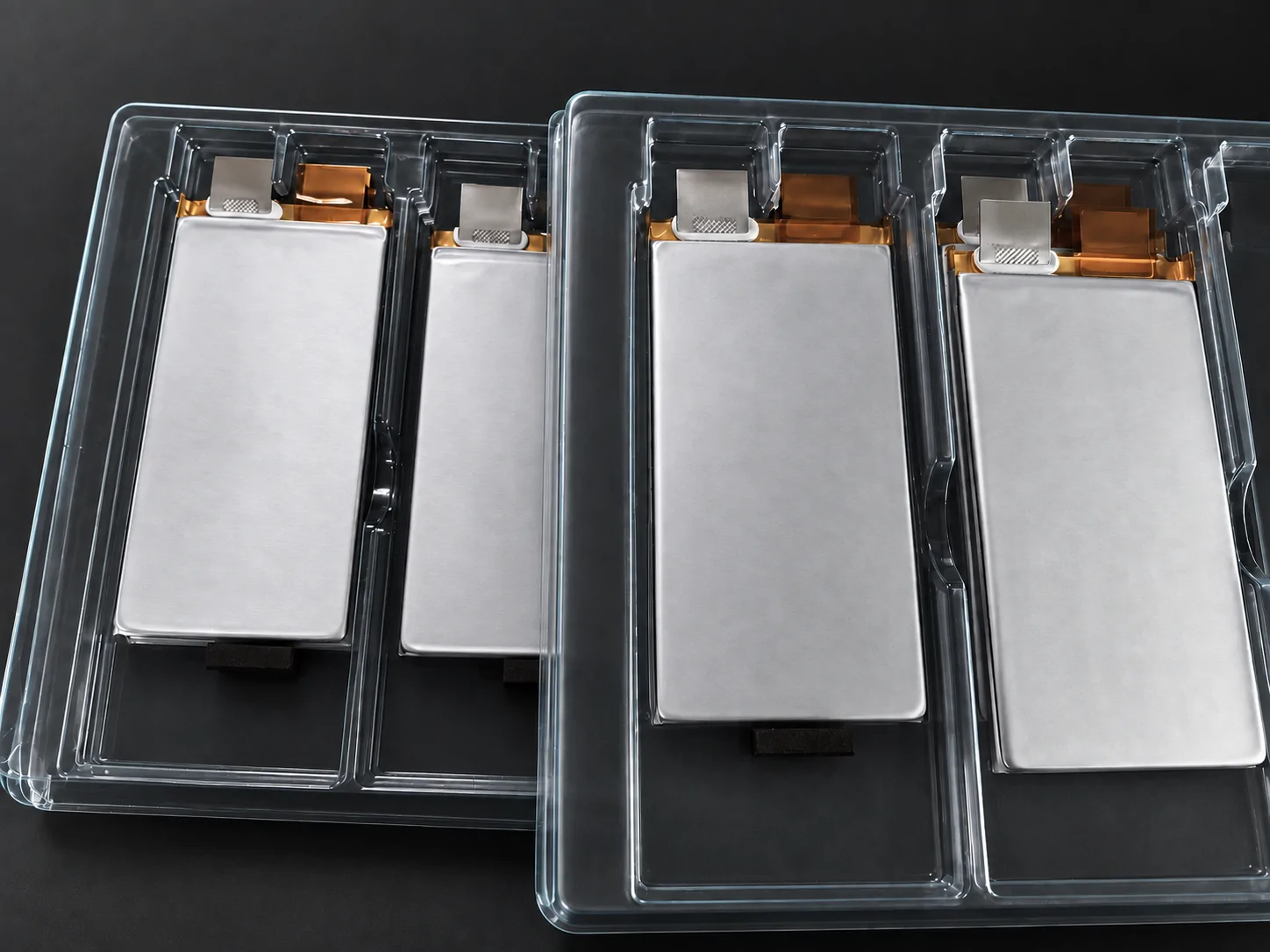
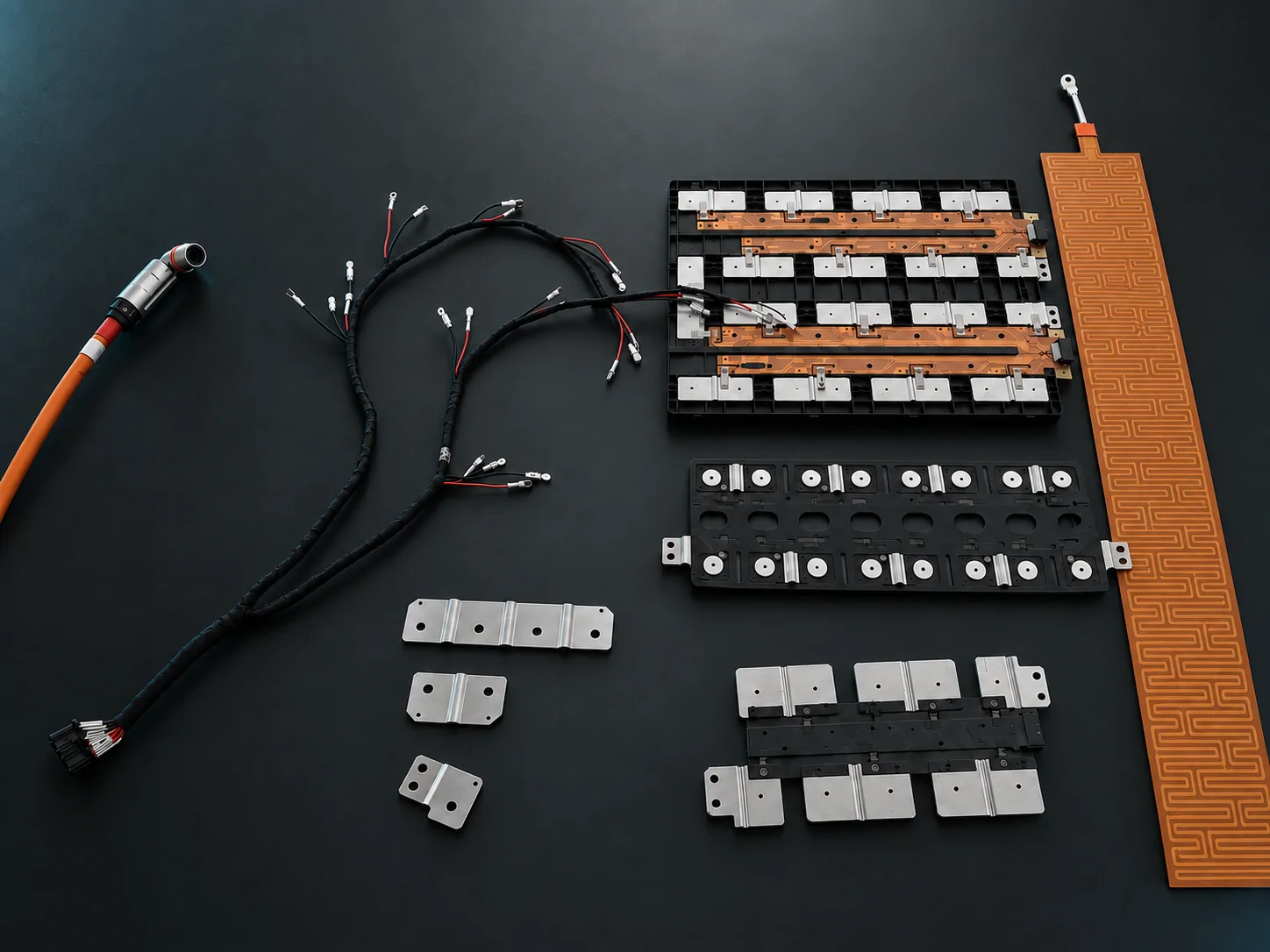
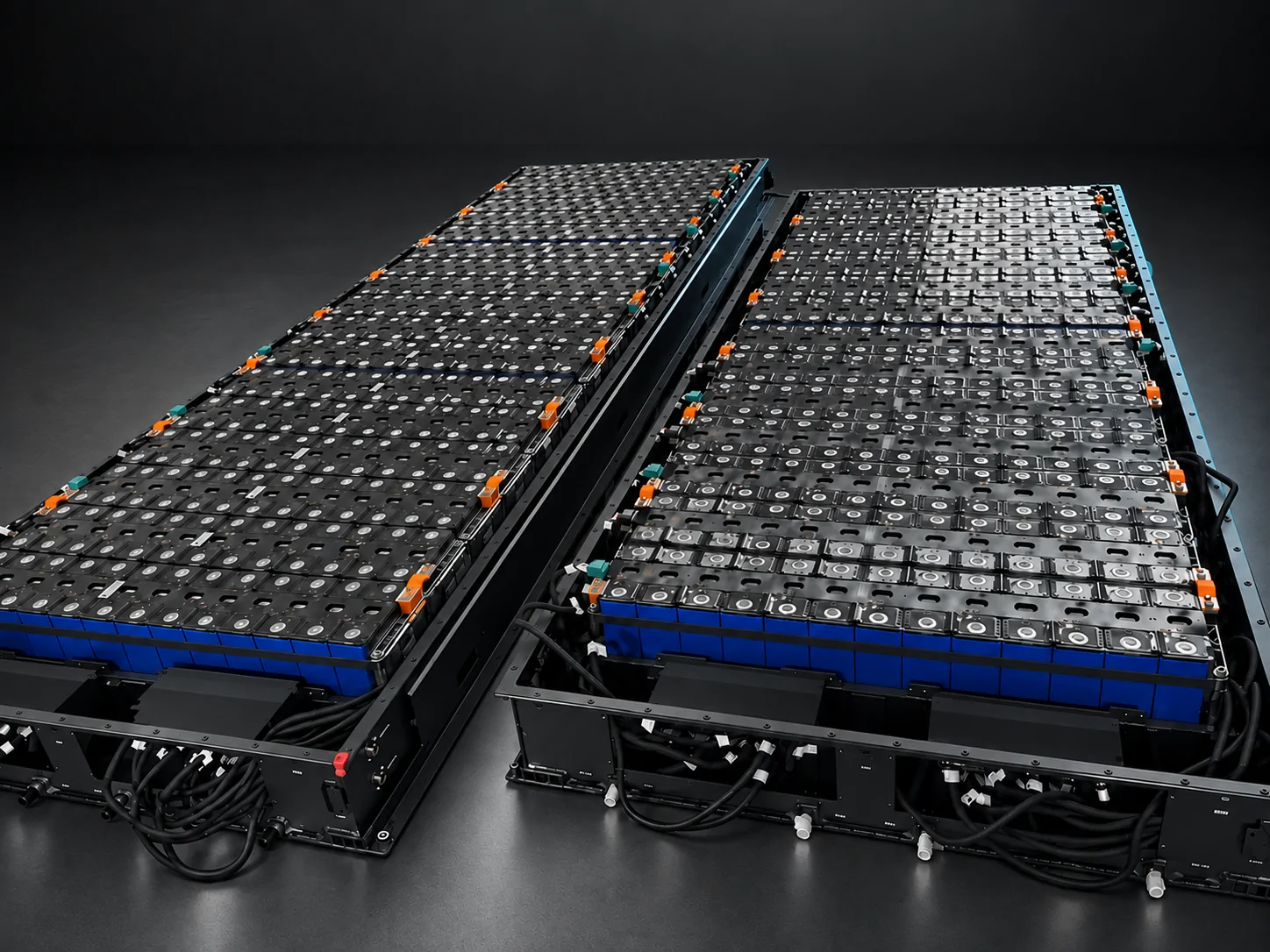
Compare physical formats as well as chemistry.
Compact pouch cells, large-format LFP components and complete modules lead to very different integration routes.
Technical sources
Choose a direction, then validate the exact cell and architecture.
A system-level comparison narrows the field. Application measurements then confirm the cell, electrical architecture and thermal approach for the equipment.