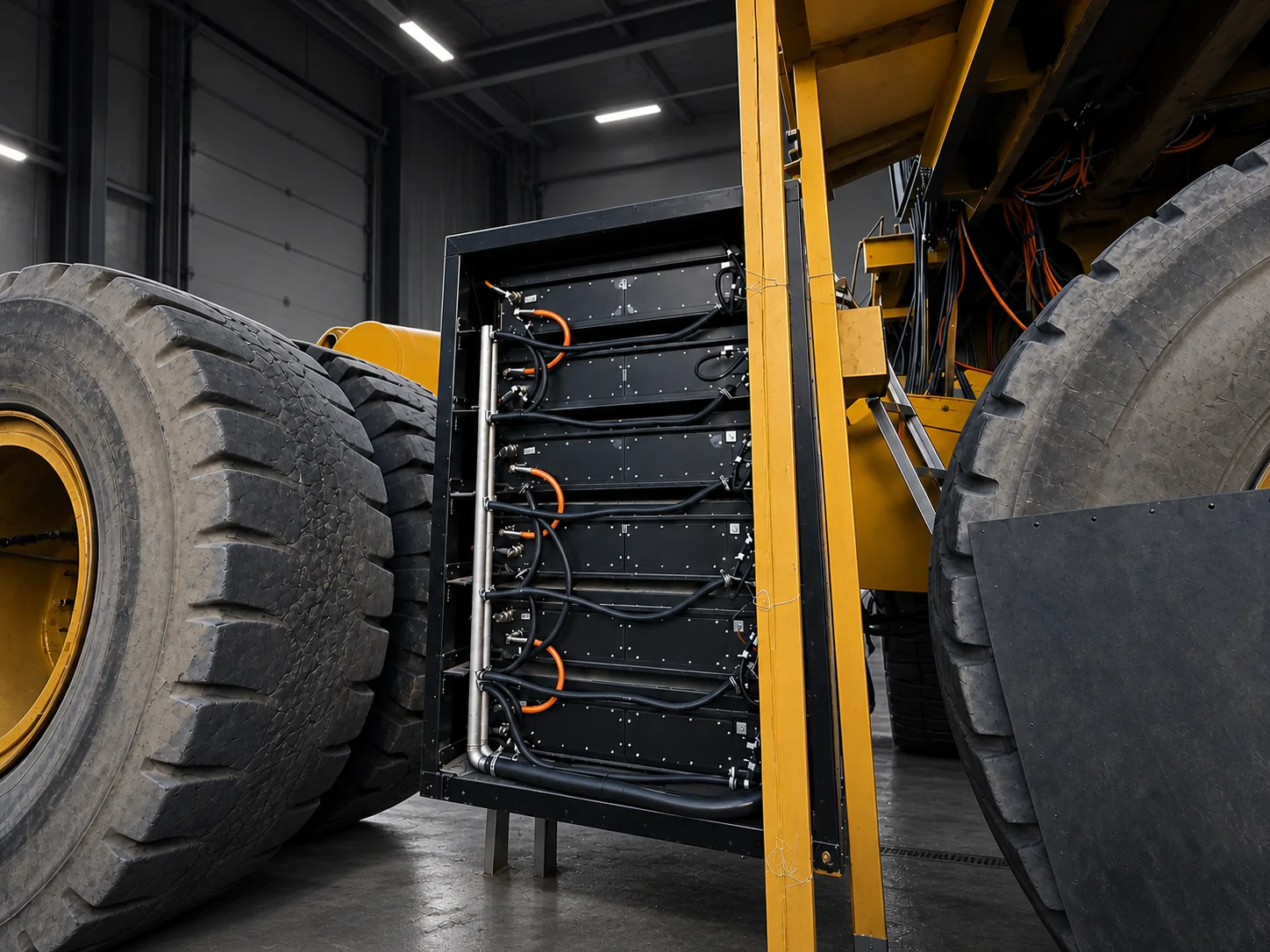
Cell behavior
Capacity, resistance, power and temperature response across the intended operating window.
 Request a Quote
Technical library / Chemistry
Cells, modules and traction systems developed around duty, temperature, integration and long production programs.
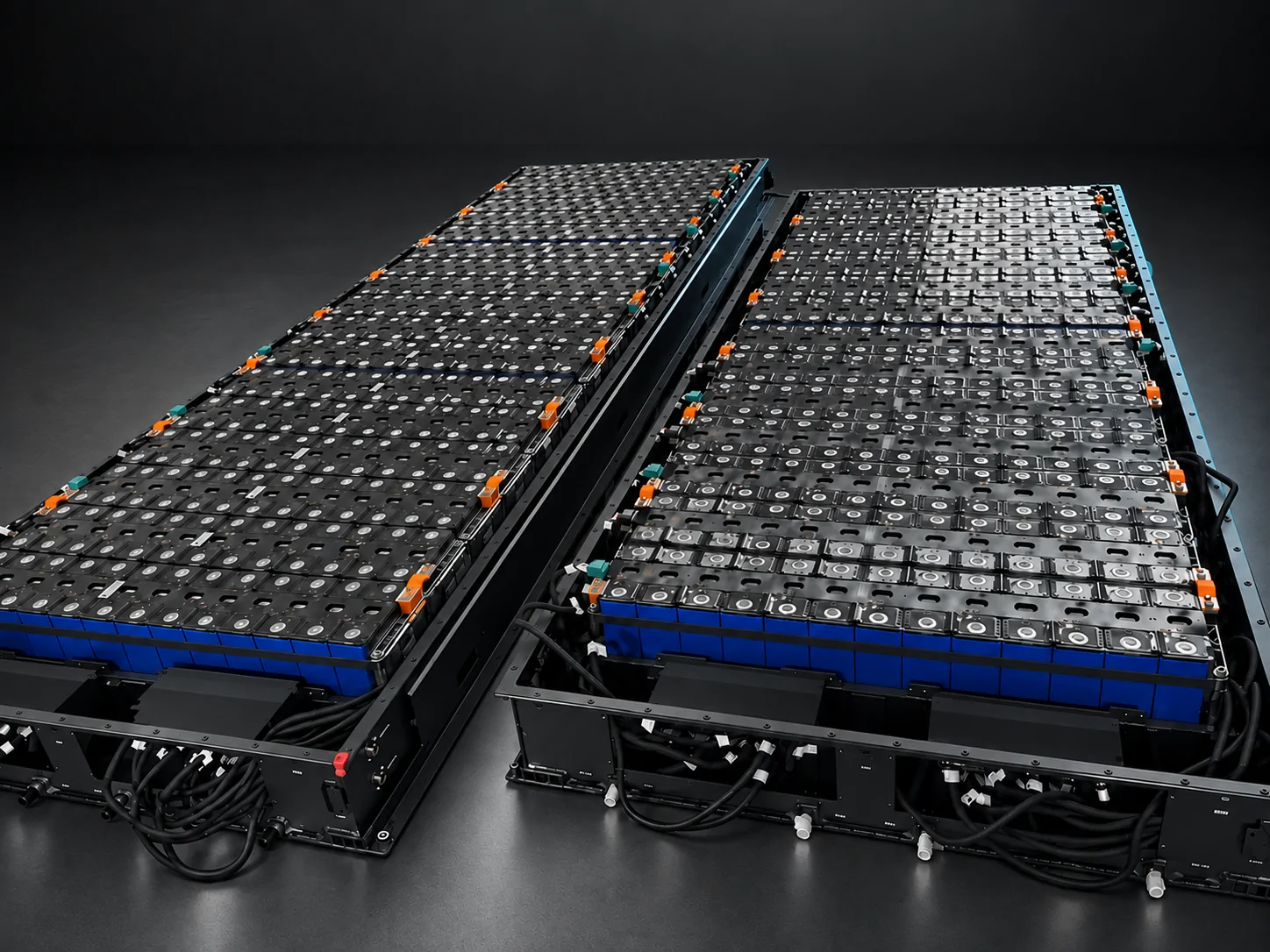
LFP can support repeat-cycle and large industrial systems. Cell behavior, compression, current path, thermal strategy, controls and service access still need to work as one equipment-specific architecture.
The useful starting level depends on voltage, duty, installation, controls and the service model of the machine.
Does the machine need an energy-focused, power-focused or balanced LFP route?
Compare operating time, continuous load, peak events, charge windows and the usable energy target.
Capacity, resistance and loaded-temperature review
How must charging and operation work across the real ambient range?
Develop charge limits, heating, insulation, cooling and control responses for the installation.
Defined low-temperature and thermal operating plan
How will compression, current paths, isolation and service access work together?
Coordinate cells, busbars, fusing, sensing, retention, vent paths and enclosure structure.
Mechanical, electrical and service architecture
How will the battery coordinate with the drive, charger and equipment controller?
Align voltage window, BMS hierarchy, CAN, interlocks, isolation monitoring and diagnostics.
Equipment interface and fault-response validation
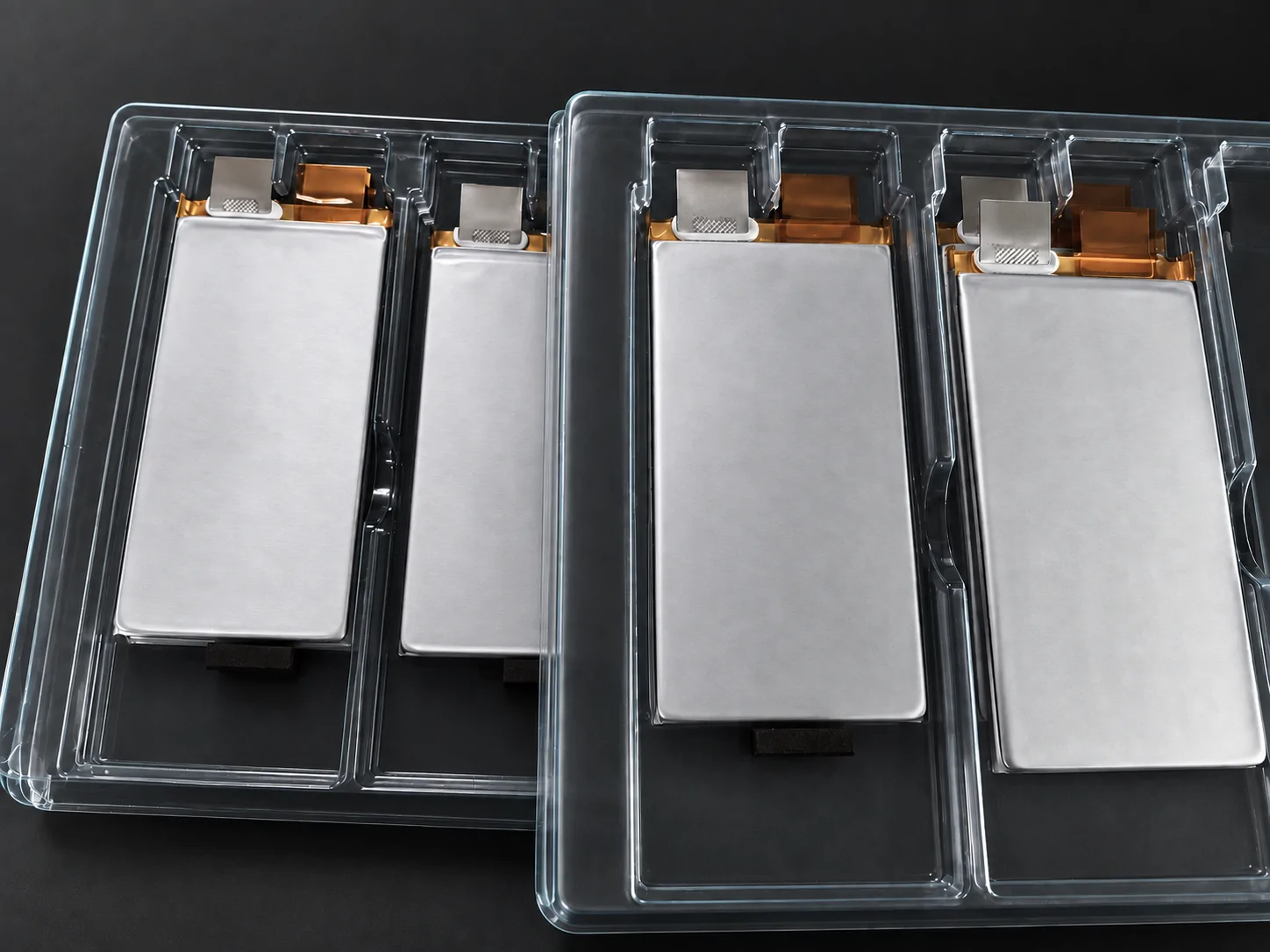
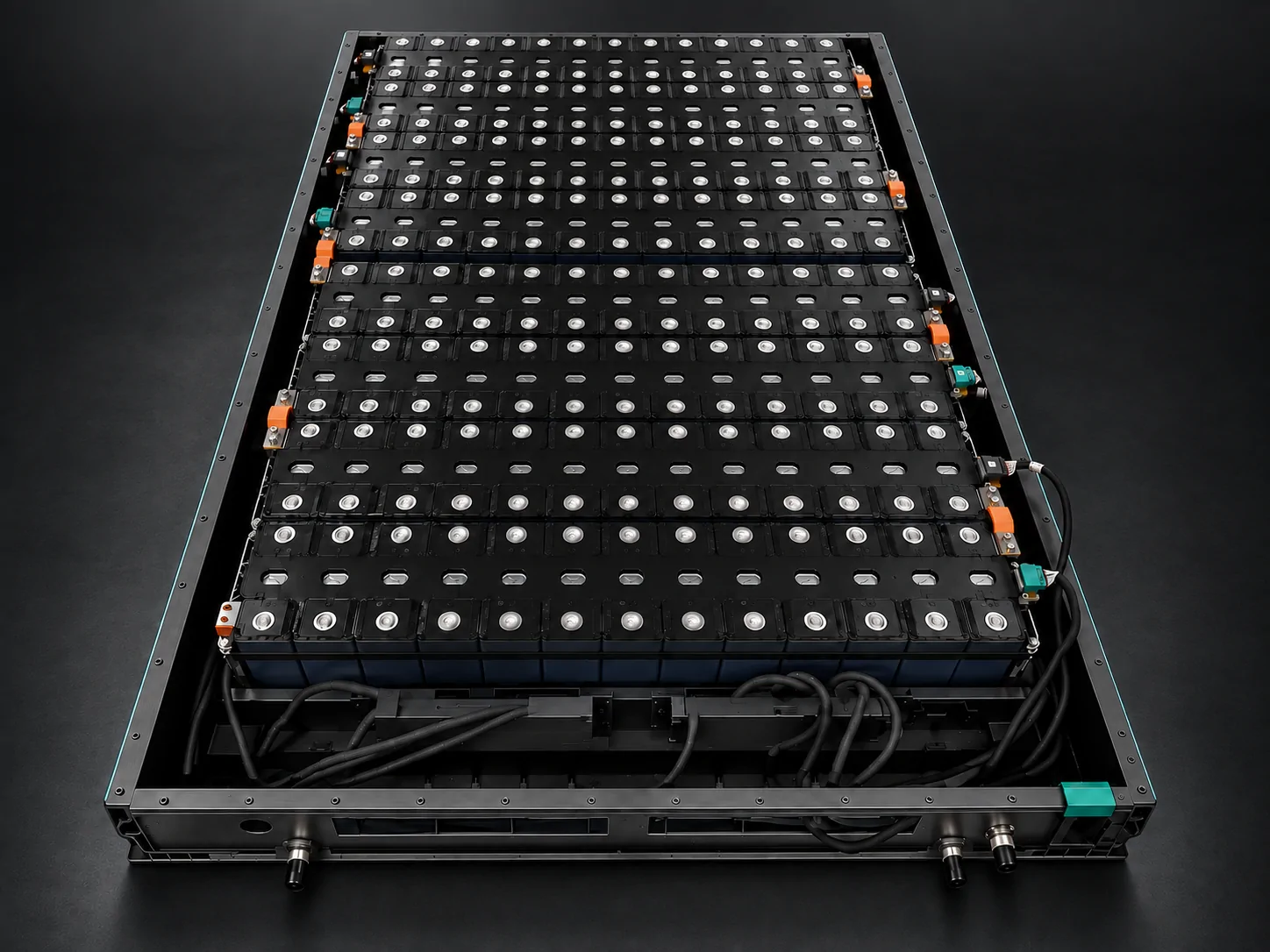
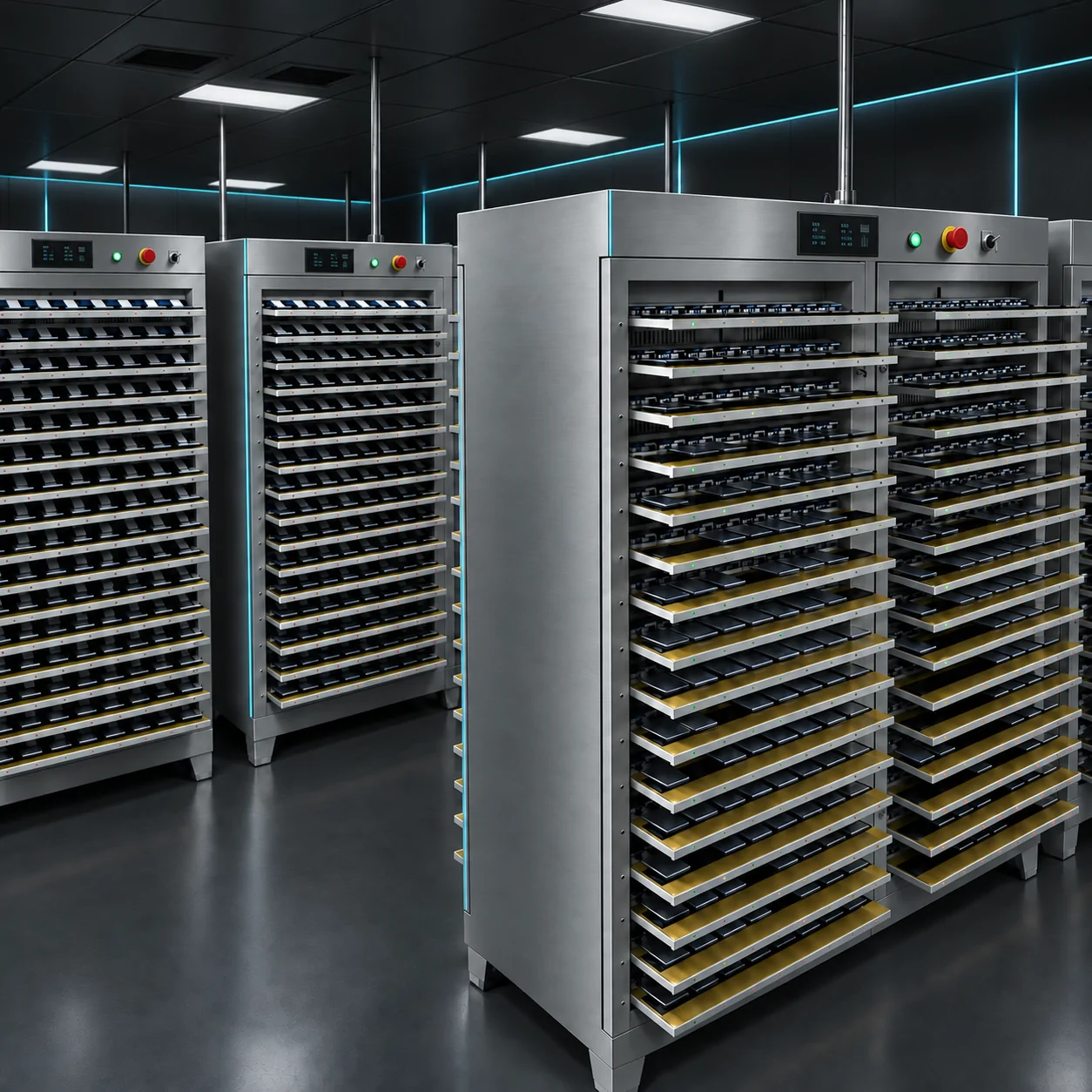
Capacity, resistance, power and temperature response across the intended operating window.
Compression, retention, isolation, vibration and enclosure behavior for the selected cell format.
Busbars, contactors, fusing, sensing, balancing and thermal performance under load.
BMS, charger, communications, interlocks, diagnostics and system verification in the machine context.
Include your equipment, battery requirements and quantities. Add an existing drawing or configuration reference where available.