Battery architecture
Select Li-ion pouch or LFP cells around the operating voltage, shift energy, repeated peaks and charge window. Define the pack configuration and usable-energy target for the equipment duty.
 Request a Quote
Applications / Equipment duty
Custom Li-ion and LFP battery packs for AMR, AGV, inspection robots and mobile manipulators. Configure the pack around shift energy, peak current, docking and service access.
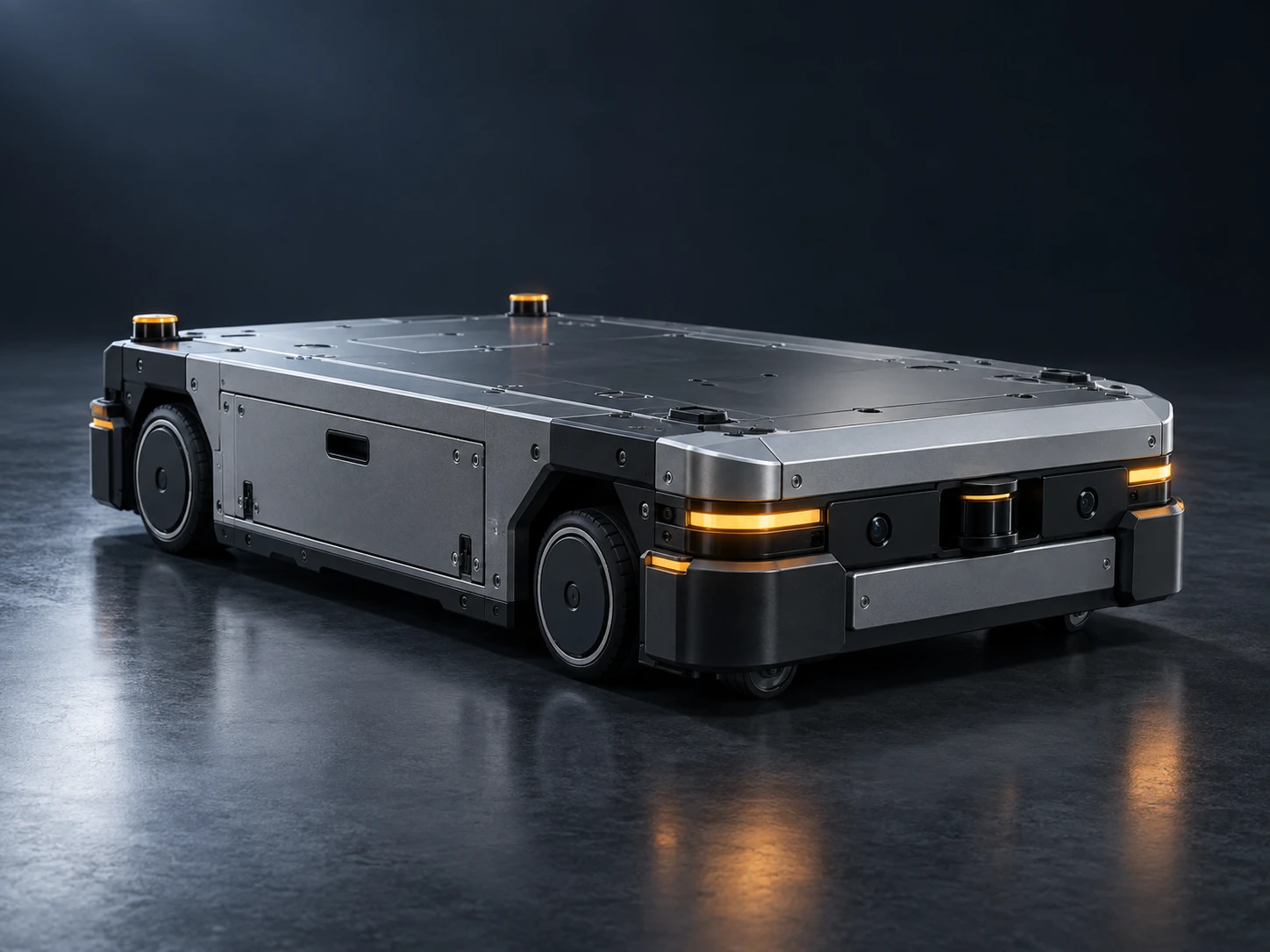
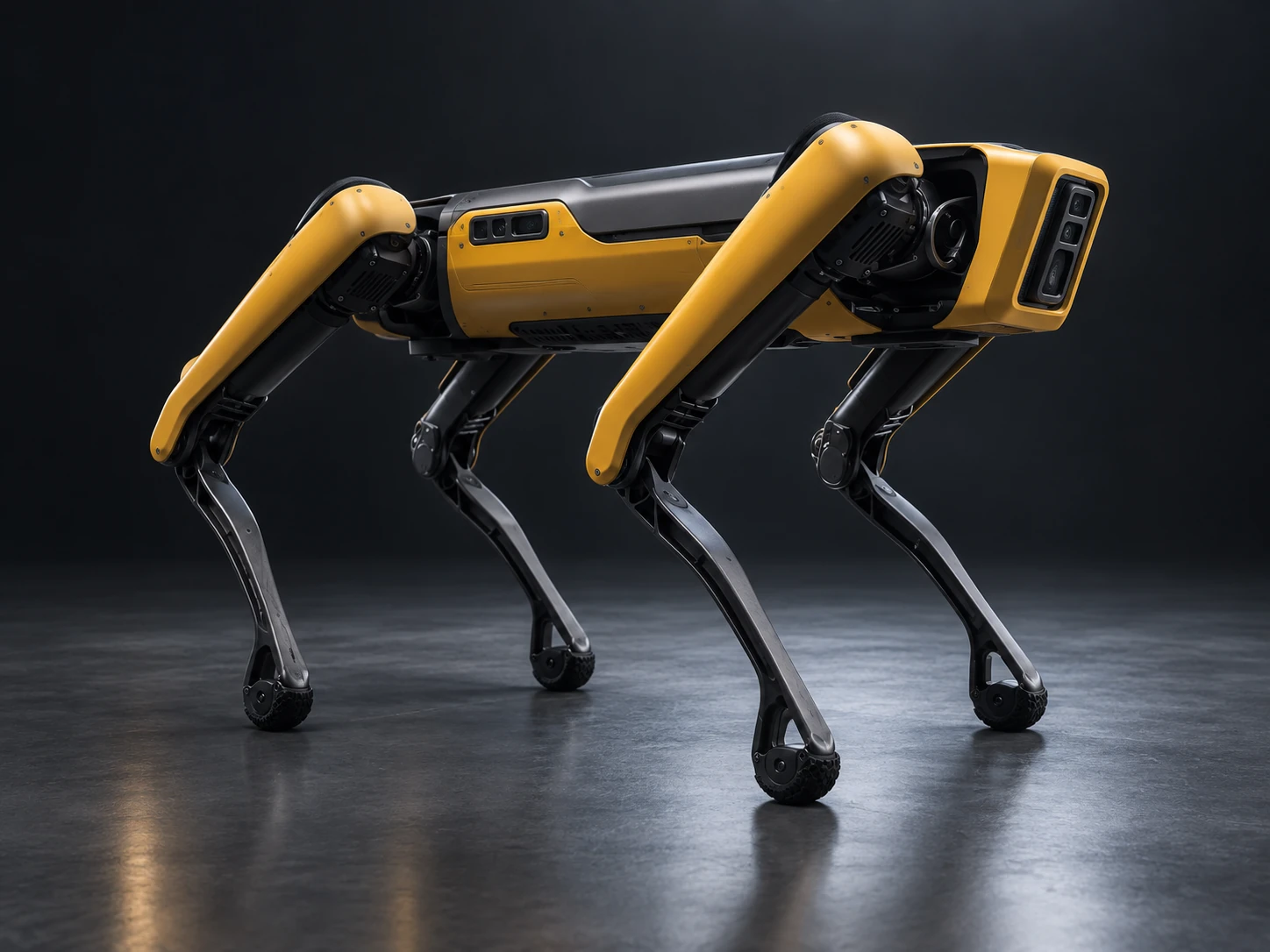
A robot battery powers motion, actuation, compute, sensing and communications at the same time. Wheeled platforms may prioritize shift energy and docking; quadrupeds add repeated joint peaks, payload and balance control. Chemistry, format and cooling follow the measured duty, available mass, service method and charge window.
Agree the cell configuration, protection, BMS, charger interface, mechanical package and validation documents in the project scope.
Select Li-ion pouch or LFP cells around the operating voltage, shift energy, repeated peaks and charge window. Define the pack configuration and usable-energy target for the equipment duty.
Define protection limits, BMS functions, host messages and charger or dock behavior. Agree the communication protocol, charge permission and fault responses.
Specify the enclosure, mounting, connectors, harnesses and pack removal path. Include the mass limit, available envelope and required service workflow.
Agree checks for loaded voltage, repeated current peaks, temperature rise and recharge time. Define the drawings, configuration records and test reports for the approved build.
Published equipment examples span compact removable packs through multi-kilowatt-hour LFP systems. Compare pack mass, usable energy, peak power, charging strategy and mechanical interfaces against the robot duty cycle.
Published examples use removable packs around 29.6-58.8 V and 236.8-605 Wh, with roughly 90 minutes of operation. Joint peaks, compute, sensors, payload and pack handling must be reviewed together.
Shift energy, traction peaks, lift loads, fleet telemetry and automatic docking shape the pack. Opportunity charging can reduce installed energy when the route and charger availability support it.
A published 25.6 V LFP platform spans 1.024-3.072 kWh and 8-24 hours of average operation. Payload, terrain and charging power change the useful configuration.
Arm motion, end effectors, onboard compute and base traction can overlap. Size from the combined peak event and usable energy instead of motor ratings in isolation.
Chemistry follows the measured load profile, available envelope, charging strategy, thermal limits and required service life.
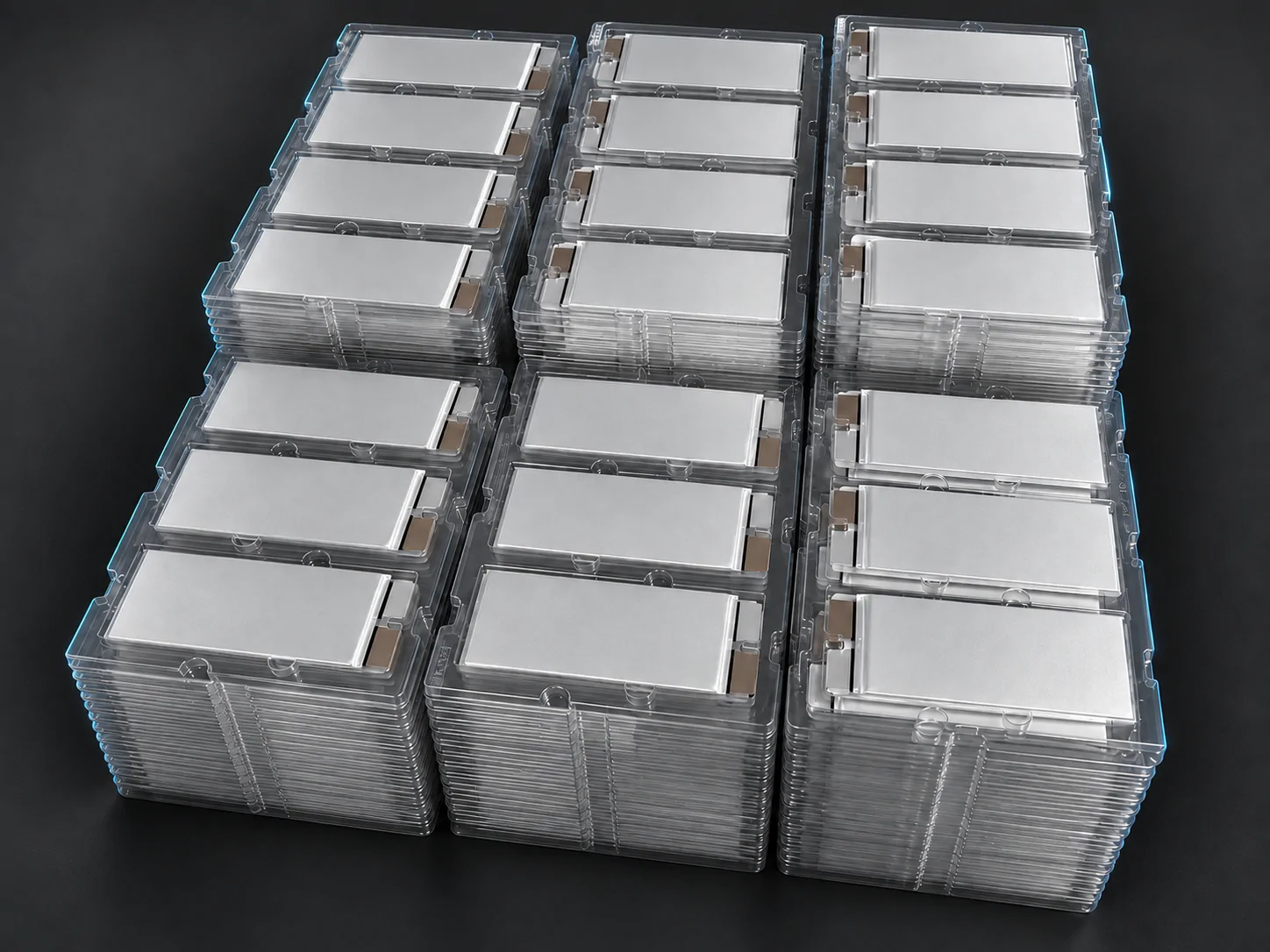
Compact mobile robots, instruments and service equipment
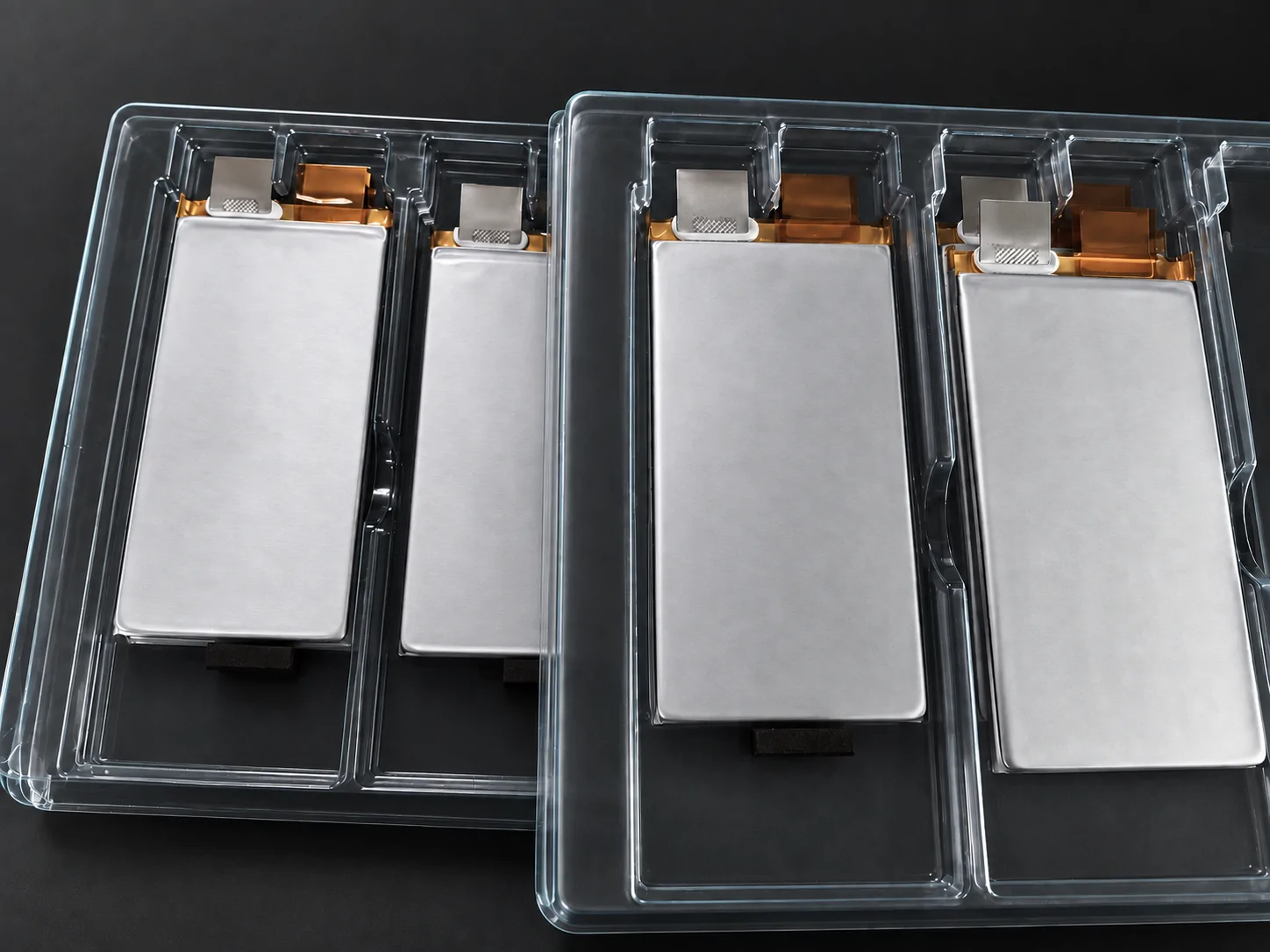
Pulse-heavy actuators and compact performance robotics
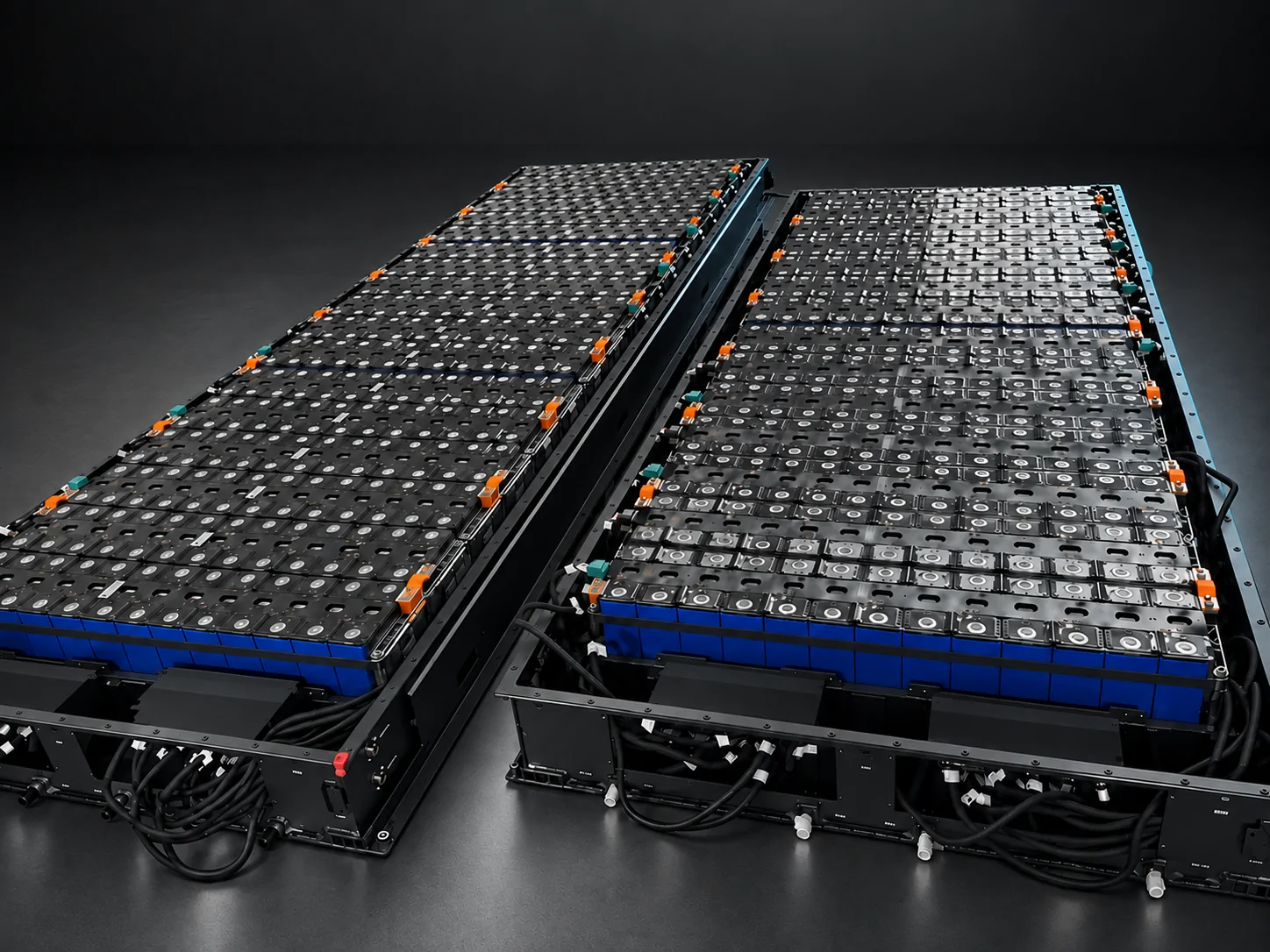
Serviceable modules for larger AMR and industrial platforms
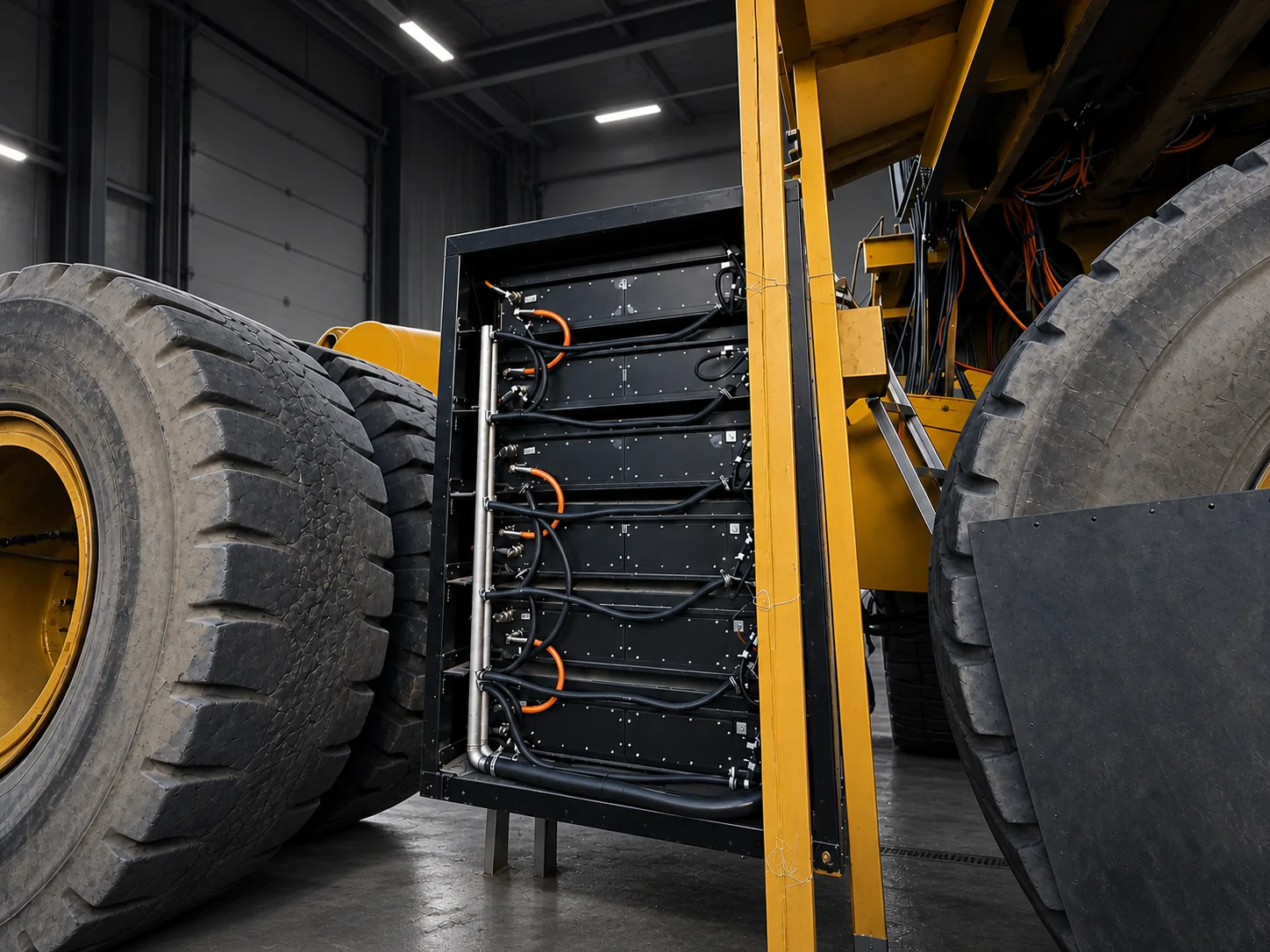
Material handling and multi-shift mobile equipment
Compare voltage, capacity, discharge demand, charging method and mechanical interfaces against the equipment duty before sample validation.
How does the robot move through work, idle and charging?
Map shift duration, route intensity, queue time, opportunity charging and the required operating reserve.
Which simultaneous loads create the most demanding event?
Review traction, lifting, compute, sensors and auxiliaries together with voltage response and thermal behavior.
How will the battery coordinate with the host and charger?
Align charging logic, dock behavior, CAN or other communication, state reporting and fault handling.
How will the pack be retained, accessed and replaced?
Develop connector life, mounting, ingress, handling and maintenance access around the equipment design.
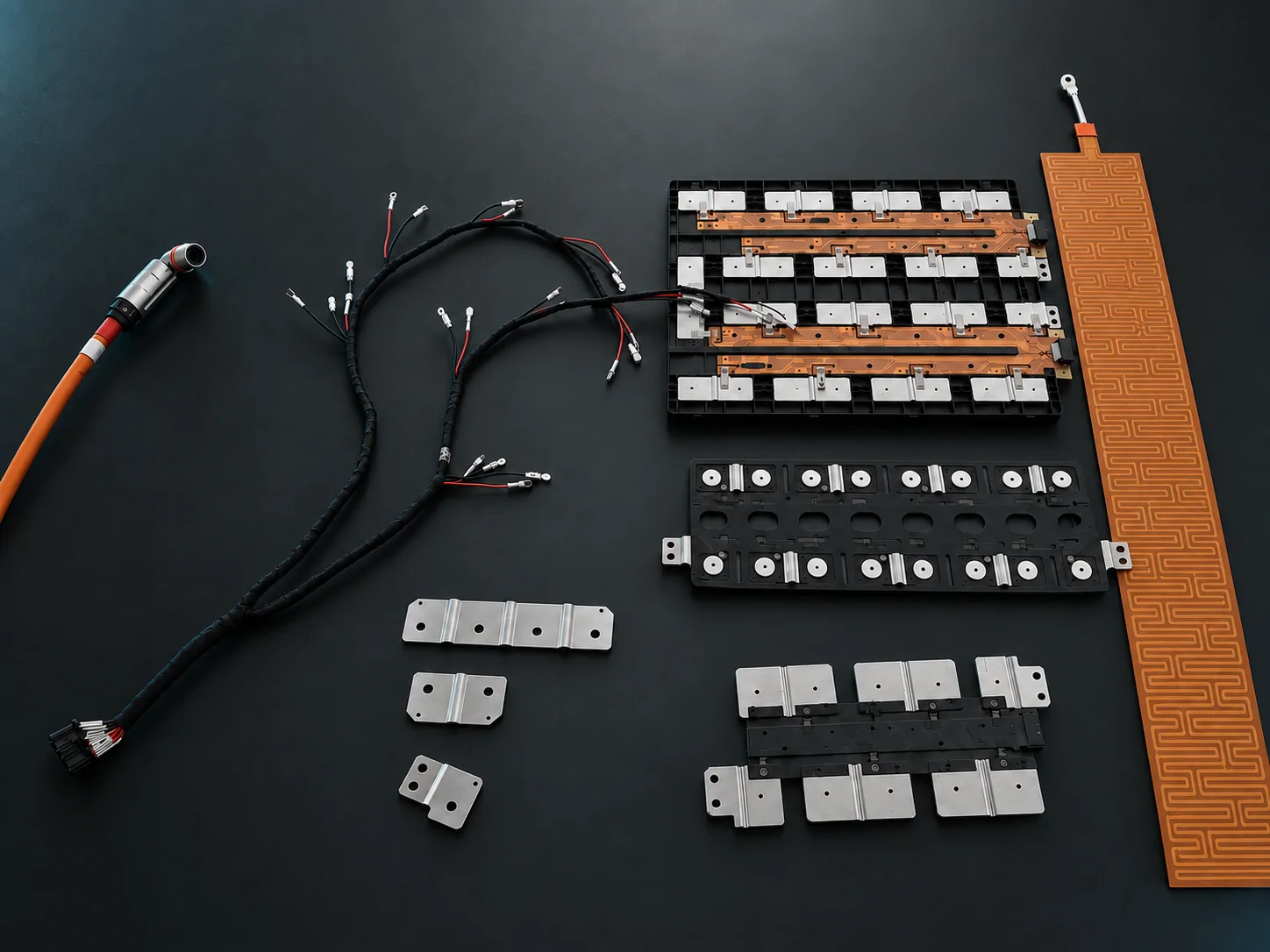
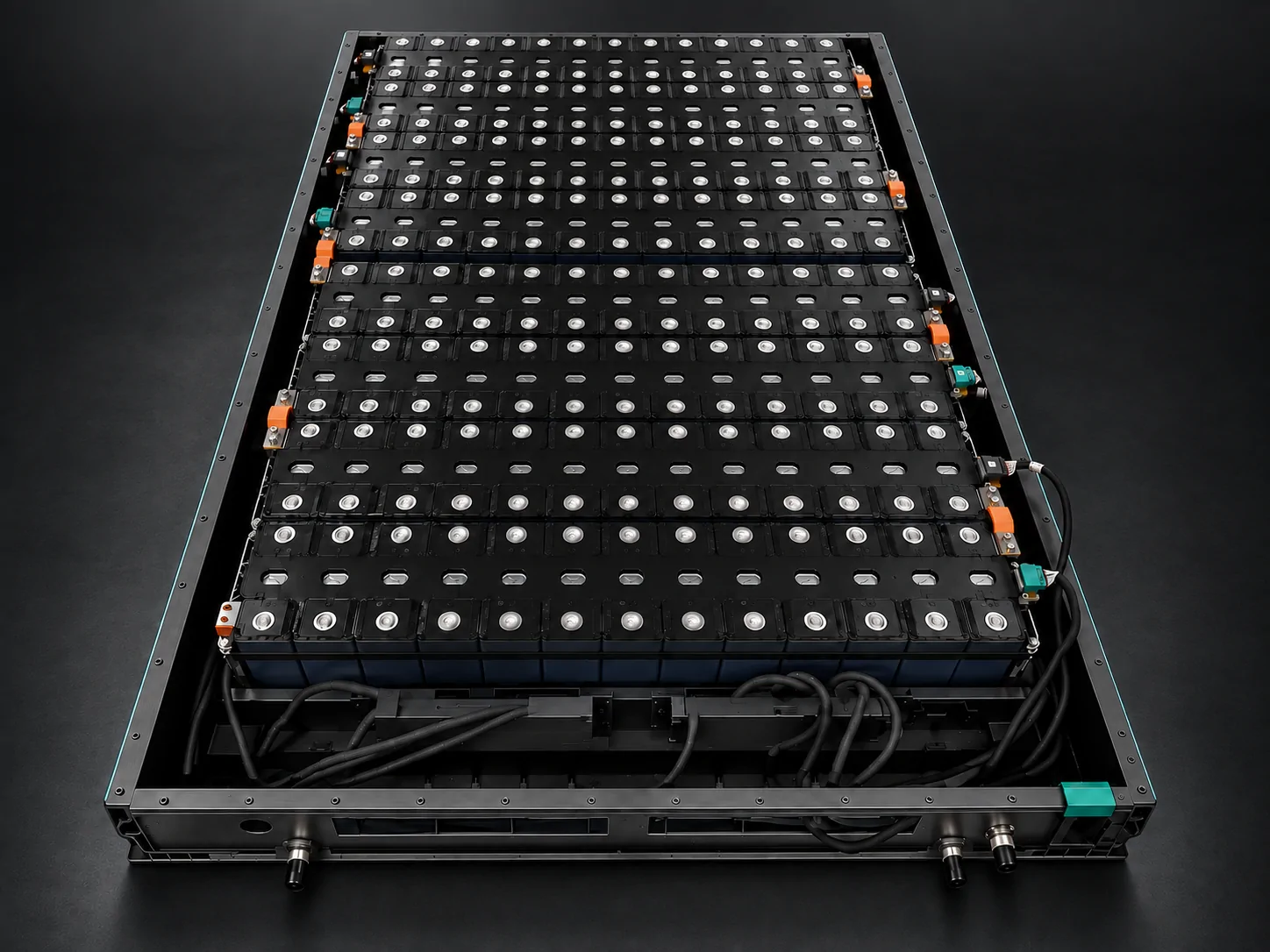
Compare cells, develop an integrated pack, or manufacture an approved battery design to the agreed inspection and order requirements.
Use when runtime, cell format or charge strategy needs evidence before complete-system design.
Use when the robot needs an integrated pack, BMS, charging, mechanics and equipment communication.
Use when an approved robot battery must support fleet rollout, repeat orders and service continuity.
Share the shift profile, traction and auxiliary loads, voltage window, available envelope, dock or charger behavior and communication requirements. Include prototype and production quantities and the acceptance checks you need.
Prepare this application briefInclude your equipment, battery requirements and quantities. Add an existing drawing or configuration reference where available.