Delivered energy
Capacity and usable energy under a representative load, voltage window and temperature.
 Request a Quote
Technical library / Chemistry
Pouch cells from 3.5 to 66 Ah and complete battery packs developed around load, voltage, space, mass and production intent.
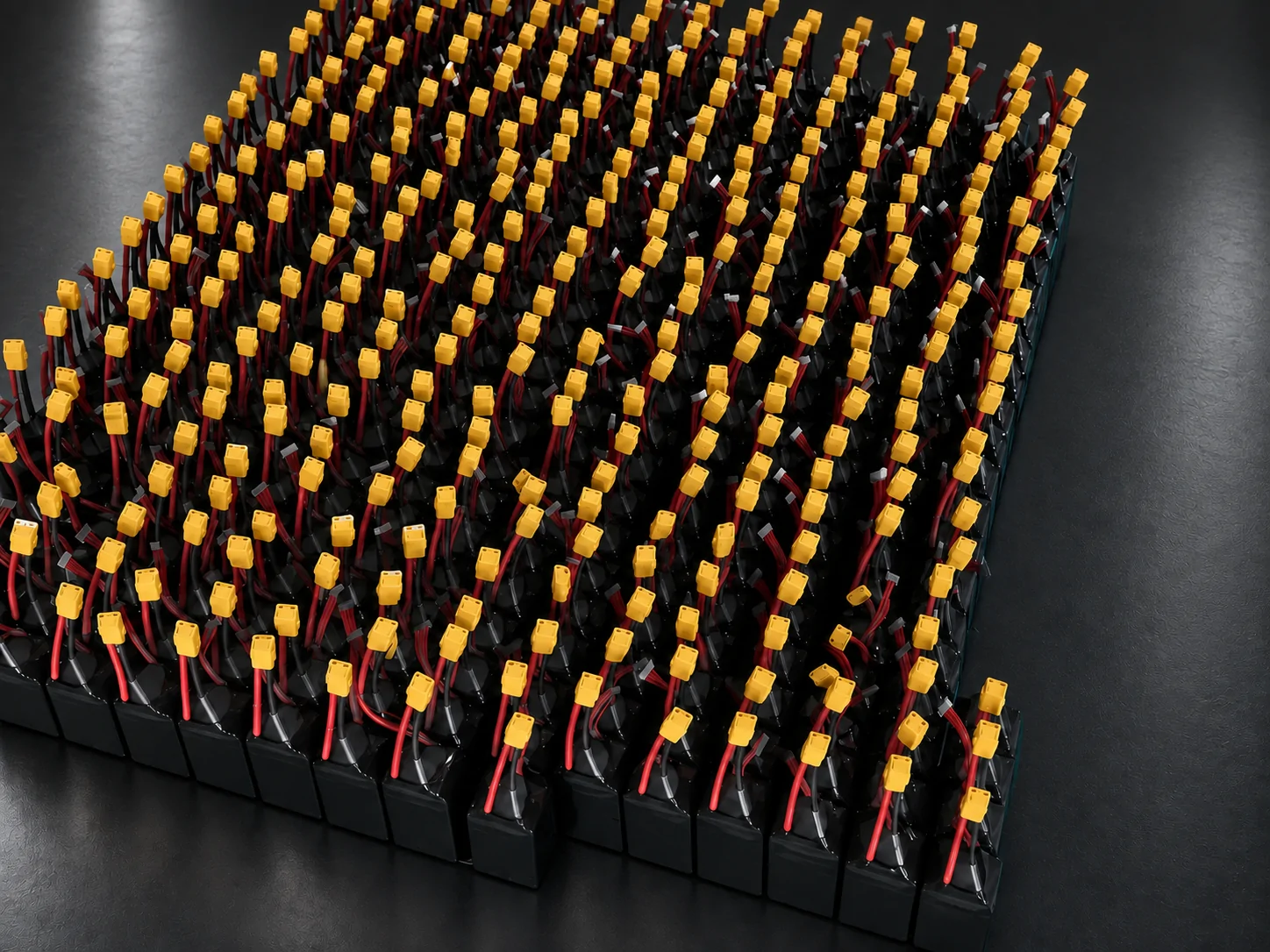
Lithium-ion includes LFP, NMC, NCA and other cathode chemistries. Pouch, cylindrical and prismatic are formats. This page focuses on compact and high-power battery packs; choose the exact cell model from load, mass, voltage and charging requirements.
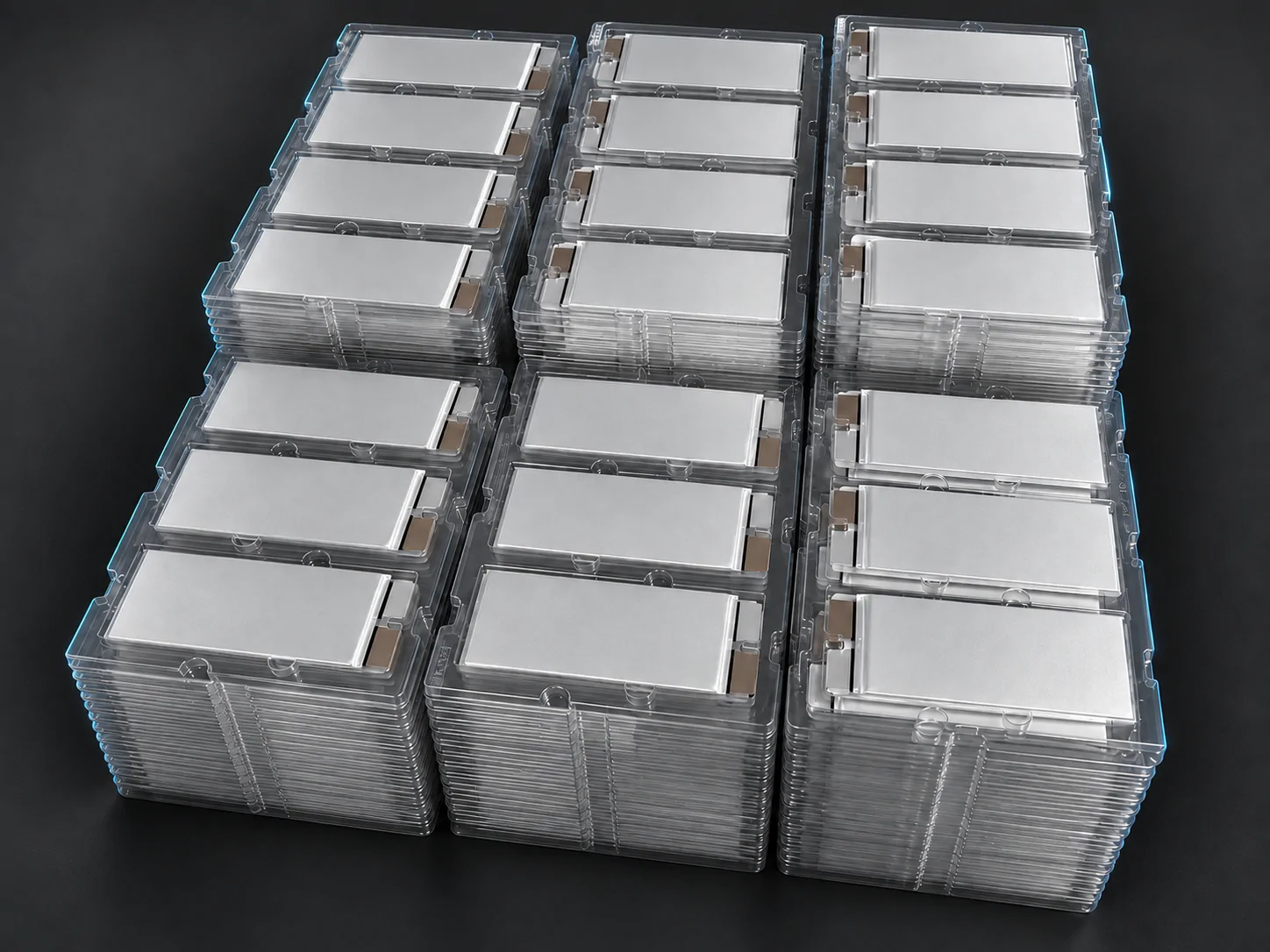
0.45 to 6.7 Ah / 2S to 6S
View battery details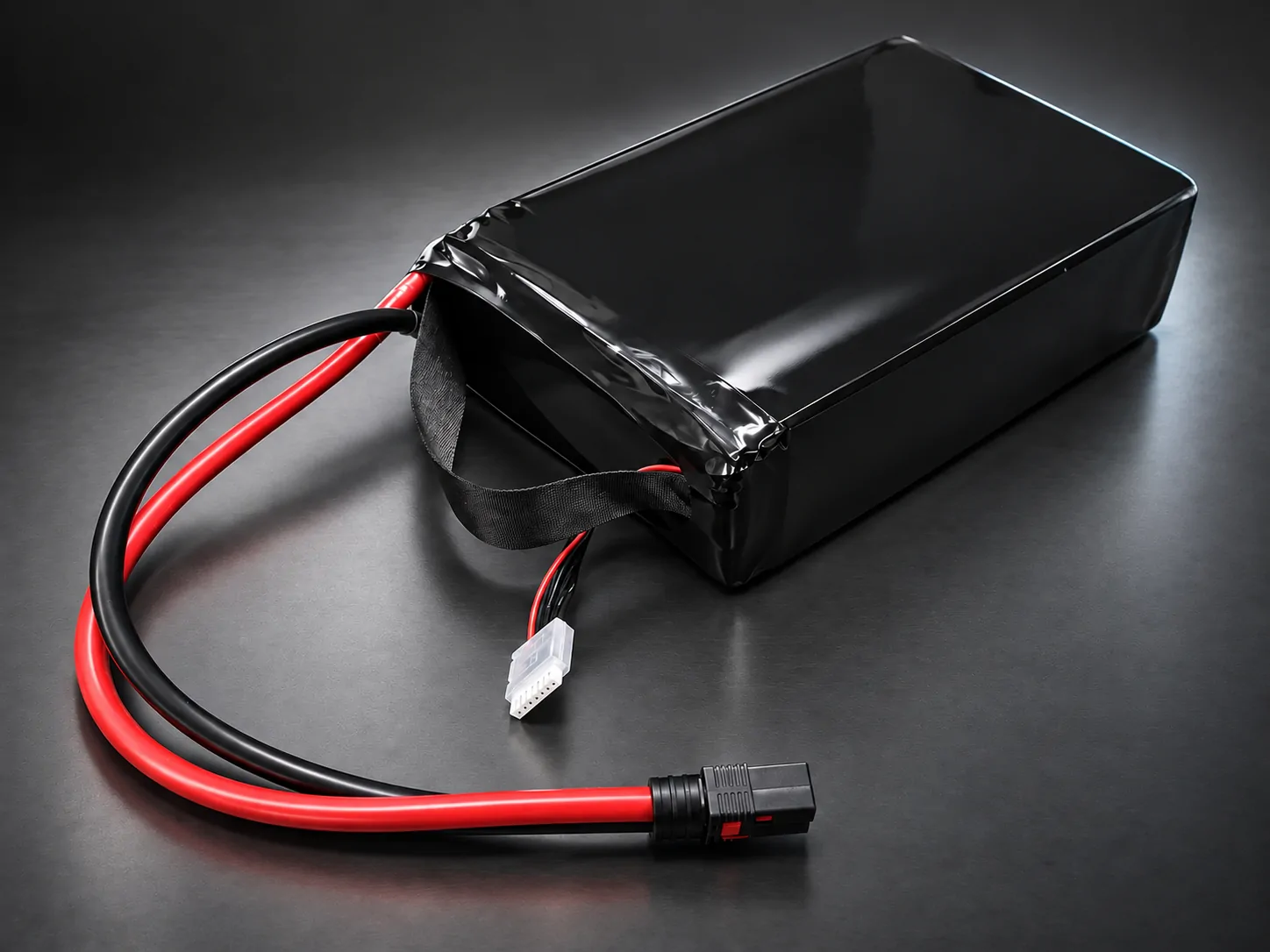
22.2 to 30.8 V / 3.5 to 66 Ah
View battery details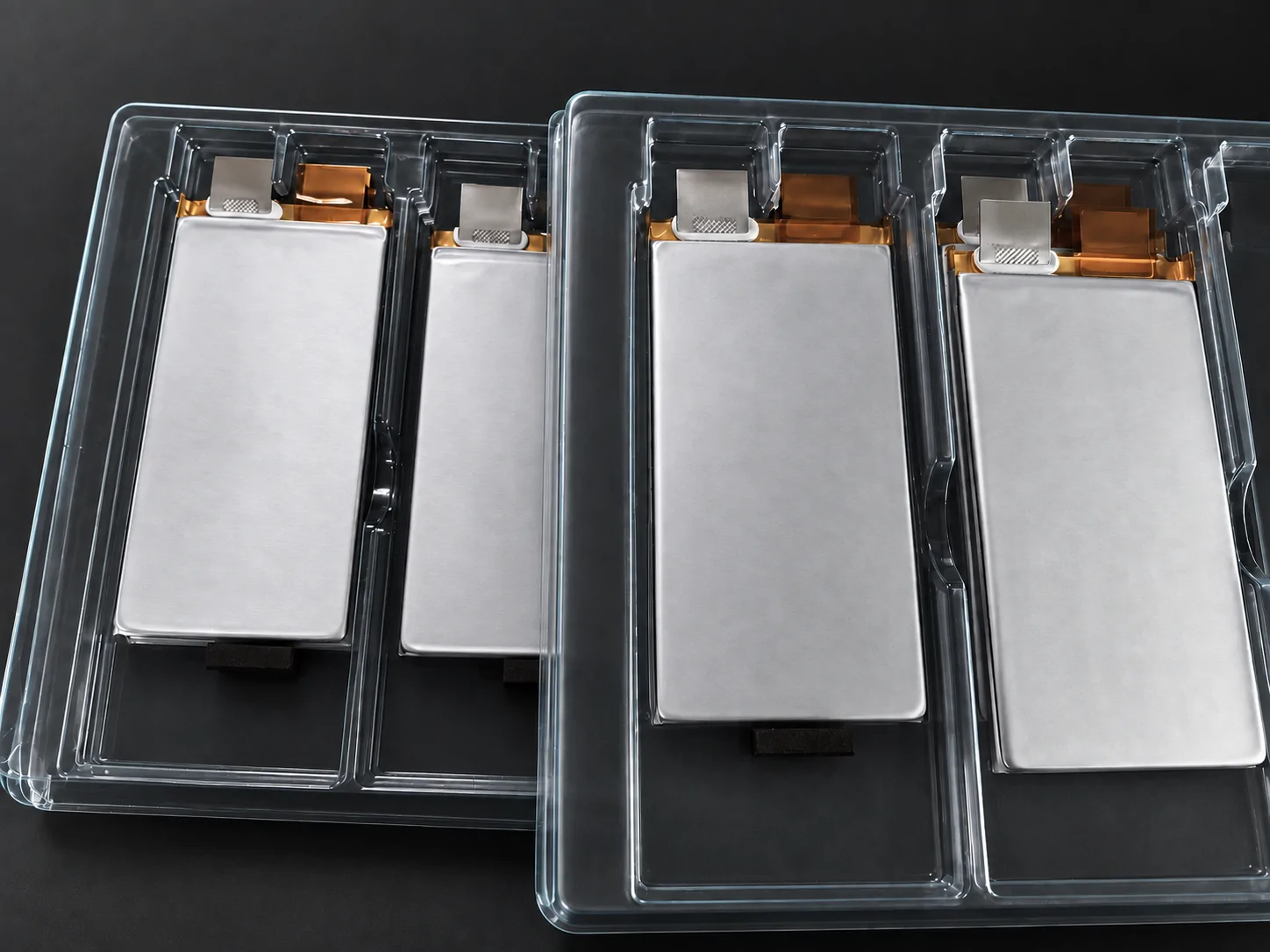
3.5 to 66 Ah / 1S1P cell references
View battery detailsCustom series count / Duty-based capacity
View battery detailsMission-based capacity / Aircraft voltage and mass requirements
View battery detailsThe chemistry name starts the search. These equipment inputs determine which model and pack architecture can serve the program.
How much energy and current must the pack deliver across one complete operating cycle?
Compare continuous demand, peak amplitude, duration, repetition, reserve and voltage limits.
Loaded voltage, delivered energy and temperature behavior
Which cell geometry and series-parallel arrangement can fit the equipment?
Coordinate thickness, stack direction, tab exit, retention, harness and usable pack volume.
Pack fit, mass and equipment integration review
How will the battery charge and operate across the expected ambient range?
Align charger behavior, charge rate, thermal limits, balancing and operating windows.
Charge compatibility and defined temperature limits
What must the pack withstand through handling, vibration and repeated equipment use?
Develop cell support, swelling allowance, insulation, connector loads and enclosure detail together.
Prototype construction and mechanical validation plan
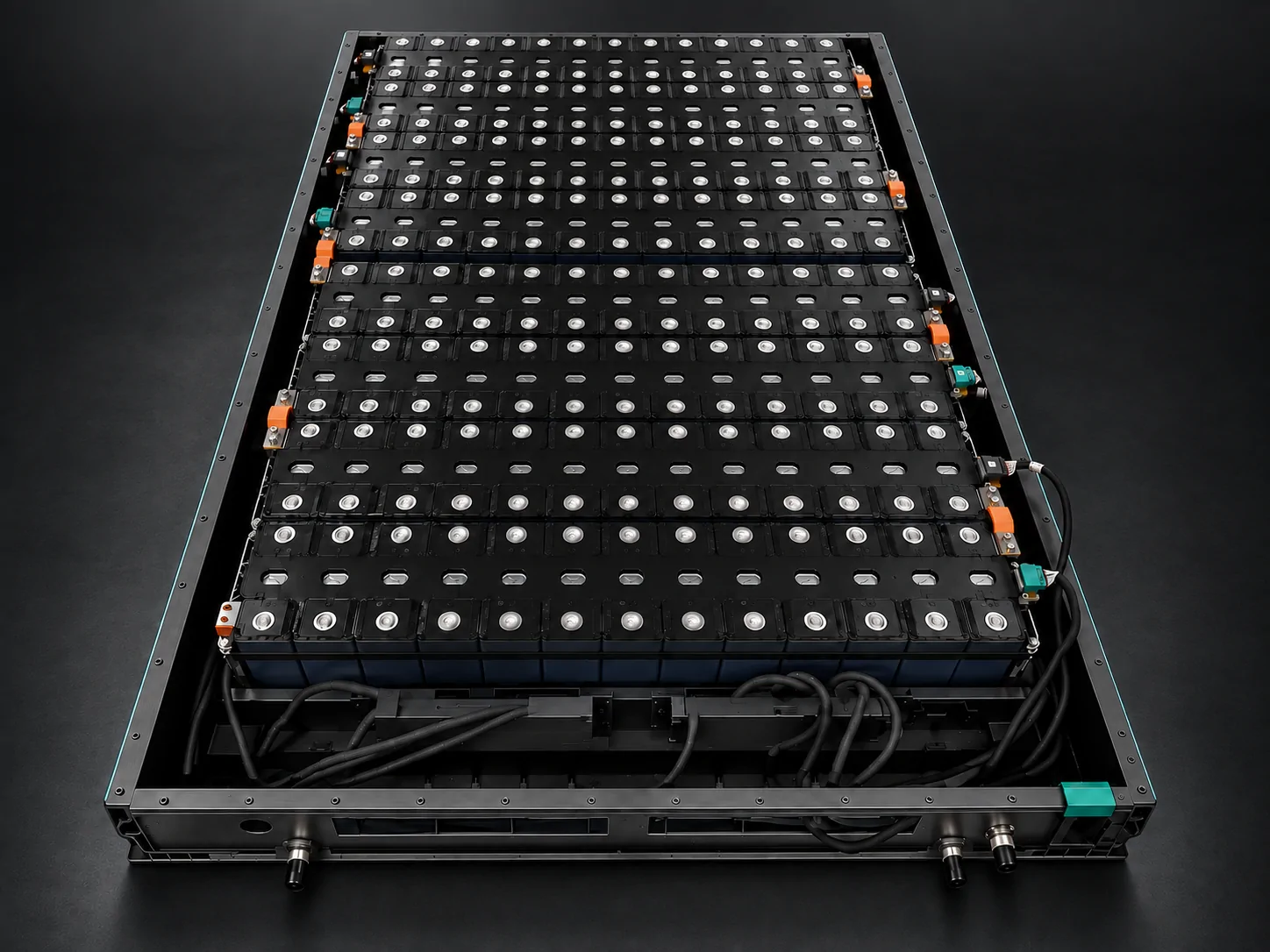
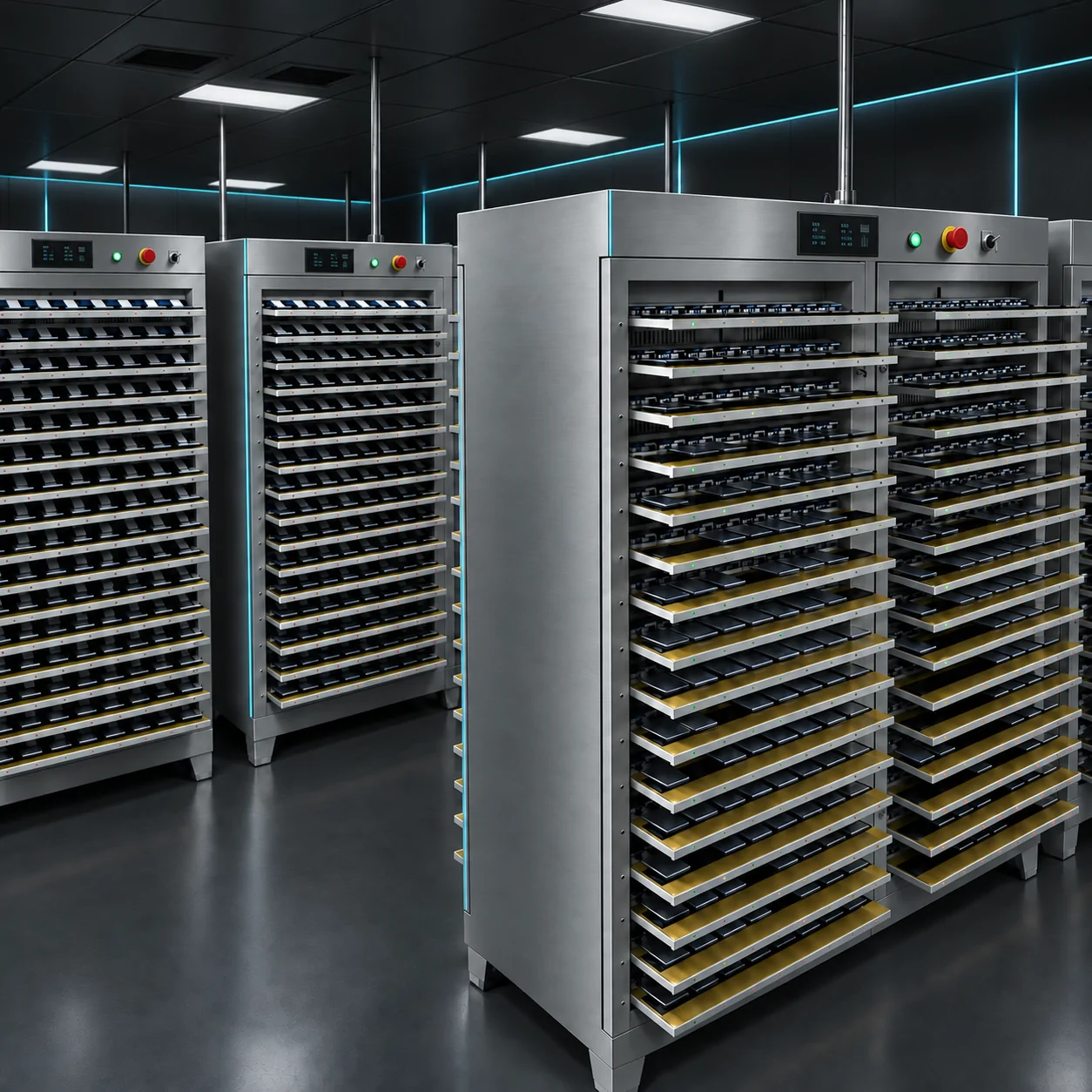
Capacity and usable energy under a representative load, voltage window and temperature.
Voltage sag, resistance and thermal rise during continuous and repeated peak events.
Charge rate, balancing, charger coordination and temperature limits for the selected route.
Mechanical support, electrical protection, interfaces and verification for the released construction.
Include your equipment, battery requirements and quantities. Add an existing drawing or configuration reference where available.